
Advanced Solutions for Efficient Nucleic Acid Delivery
High-performance transfection reagents and gene delivery tools designed for a wide range of cell systems, enabling efficient DNA and RNA delivery as well as gene editing-related applications.
 |  |
Suitable Cell Types:
| Category | Representative Cells |
|---|---|
| Conventional Mammalian Cell Lines | HEK293, HeLa, CHO, COS, 3T3, C2C12, BHK-21, MDCK, etc. |
| Tumor Cells | MCF-7, MDA-MB-231, HepG2, Huh-7, PC-3, LNCaP, SK-OV-3, Saos-2, etc. |
| Neural / Retinal-Related Cells | Neuro-2A, C6 Glioma, SHEP, SK-N-SH, D407 |
| Islet / Endocrine-Related Cells | RIN-14B, RIN-m5F, RIN-m, RIN-5F, AtT20 |
| Primary Cells | HUVEC, HBEC, SMC, macrophages, cardiomyocytes, keratinocytes, etc. |
| Stem Cells / Embryonic-Related Cells | mES, MEF, iMEF |
| Insect Cells | Sf9, Sf21 |
| Other Specialized Cells | HCS-2/8, McArdle 7777, M-PAC, WEHI-231, NMuMG |
Transfection Reagent Collection
Viral Vector Products CollectionMore products coming soon.
1. What Is In Vitro Transfection Technology?
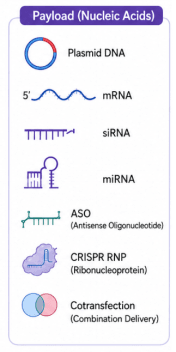
In vitro transfection is an important technique for introducing exogenous nucleic acids into eukaryotic cells to achieve gene expression regulation and investigate cellular functions. By delivering plasmid DNA, mRNA, siRNA, shRNA, miRNA, and CRISPR/Cas-related components, researchers can perform a wide range of applications, including gene overexpression, gene silencing, protein expression, and genome editing.
With the development of genomics, RNA technologies, and cell engineering, in vitro transfection technology has been widely applied in disease mechanism research, drug screening, protein expression, cell model construction, and gene therapy research. Based on the duration and characteristics of gene expression, transfection is primarily classified into transient transfection and stable transfection. Based on the delivery strategy, transfection can be categorized into chemically mediated, physically mediated, and virally mediated delivery.
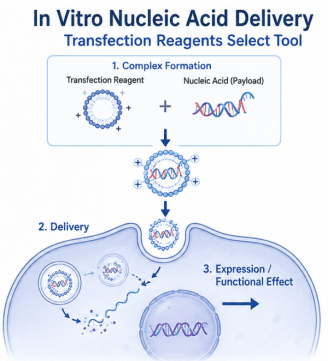
Modern transfection systems use lipids, polymers, or other delivery materials to form complexes with nucleic acids, facilitating nucleic acid protection, cellular uptake, and intracellular release, thereby improving gene delivery efficiency. For different cell types and experimental requirements, efficient, low-toxicity, and broadly compatible transfection solutions have become essential tools in life science research and biopharmaceutical development.
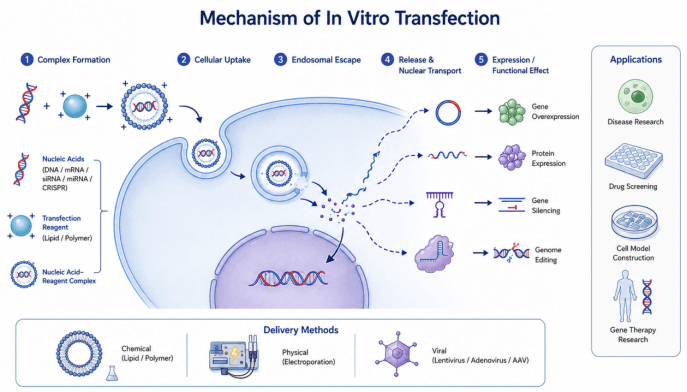
Schematic illustration of the basic mechanisms and major applications of in vitro transfection technology. Transfection reagents form nucleic acid–transfection reagent complexes with exogenous nucleic acids. Following cellular uptake, the nucleic acids are released through endosomal escape and subsequently delivered to the cytoplasm or transported into the nucleus, ultimately enabling gene overexpression, protein expression, gene silencing, or genome editing.
Our comprehensive transfection platform enables efficient delivery of plasmid DNA, small interfering RNA (siRNA), messenger RNA (mRNA), and gene-editing components.
Learn more about DNA/RNA Transfection Reagents
2. History and Evolution of Transfection Technology
The development of transfection technology has progressed from early chemical methods for basic nucleic acid delivery to the optimization of non-viral delivery systems based on lipids, polymers, and other materials, followed by advances in RNA delivery, gene editing, and nanotechnology-based delivery. Each technological breakthrough has focused on improving nucleic acid delivery efficiency, reducing cytotoxicity, expanding compatibility across different cell types, and enabling precise gene regulation.
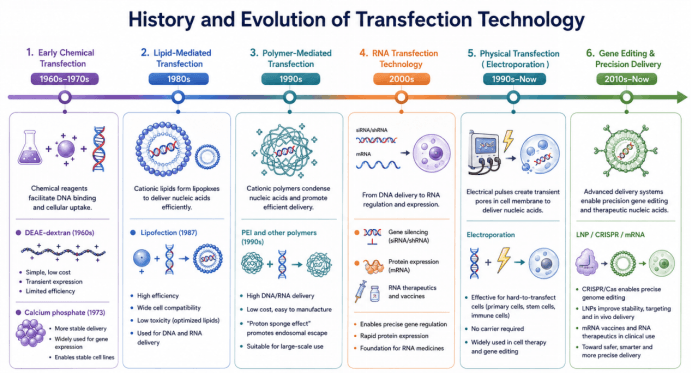
Early Chemical Transfection Stage (1960s–1970s): Development of DEAE-dextran and calcium phosphate co-precipitation techniques
Lipid-Mediated Transfection Stage (1980s): Lipofection technology drove breakthroughs in non-viral transfection
Polymer-Mediated Transfection Stage (1990s): Development of highly efficient delivery materials such as PEI
RNA Transfection Development Stage (2000s): Expansion of transfection from DNA delivery to RNA-based regulation
Physical Transfection Development Stage (1990s–Present): Electroporation expanded applications to hard-to-transfect cells
Gene Editing and Precision Nucleic Acid Delivery Stage (2010–Present): CRISPR, mRNA, and LNP technologies have driven further advances in transfection technology
(Learn More)
3 Classification of Transfection Methods—Choose Your Gene Delivery Method
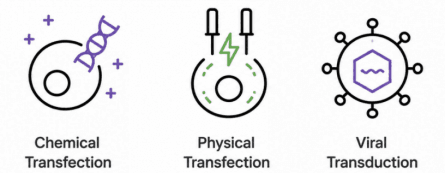
3.1 Chemical Transfection
Introduction:
Chemical Transfection is a type of non-viral delivery technology that uses synthetic chemical materials to facilitate the entry of exogenous nucleic acids into cells. This method typically relies on cationic lipids, polymers, calcium phosphate, or other chemical delivery materials to form stable complexes with negatively charged nucleic acid molecules, such as plasmid DNA, mRNA, siRNA, shRNA, and nucleic acid components used for gene editing. These complexes enhance interactions between nucleic acids and the cell membrane and promote cellular uptake, endosomal escape, and intracellular release, thereby enabling regulation of gene expression.
Currently, lipid-based transfection and polymer-based transfection are the most widely used chemical transfection strategies. Lipid-based systems promote nucleic acid delivery through lipoplex formation, utilizing membrane fusion and endocytic pathways. Polymer-based systems form polymer–nucleic acid complexes (polyplexes) through interactions between cationic polymers and nucleic acids, improving nucleic acid stability and promoting intracellular release. In addition, other chemical delivery approaches, including calcium phosphate co-precipitation, peptide-mediated delivery, and dendrimer-based delivery, have also been widely used in gene delivery research.
Due to its simple workflow, lack of specialized equipment requirements, good experimental reproducibility, and broad applicability, chemical transfection has become one of the most widely used non-viral nucleic acid delivery technologies in life science research. Modern chemical transfection systems support the delivery of a variety of nucleic acid types, including plasmid DNA for gene overexpression, siRNA for gene silencing, mRNA for protein expression, and CRISPR/Cas-related components for genome editing. These technologies are widely used in gene function studies, protein expression, drug screening, cell engineering, and gene editing.
3.1.1 Product Categories (Classified by Nucleic Acid Type):
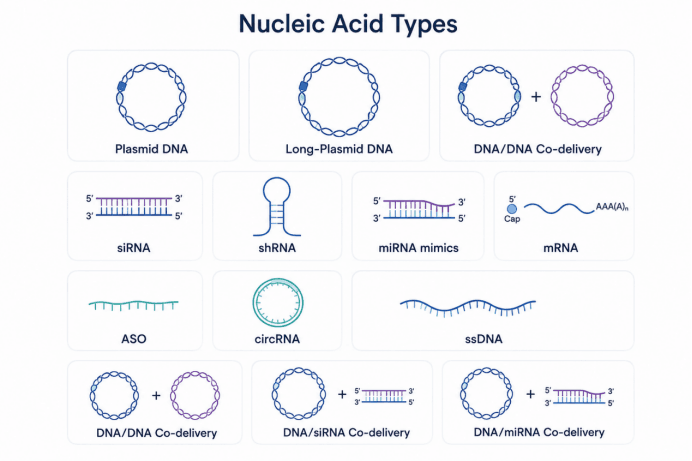
| Nucleic Acid Type | Compatible Transfection Reagent | Catalog No. | Transfectable Nucleic Acid Types |
|---|---|---|---|
| Plasmid DNA | PerFect | TF01 | Plasmid DNA |
| PolyPer | TF02 | Plasmid DNA, DNA/DNA, Long-Plasmid DNA ≤56 kb | |
| PolyPer plus | TF03 | Plasmid DNA, DNA/DNA, Long-Plasmid DNA ≤180 kb | |
| PolyPer max | TF04 | Long-Plasmid DNA | |
| LipoEffect | TF05 | Plasmid DNA, DNA/DNA, Long-Plasmid DNA ≤180 kb | |
| LipoTrans | TF06 | Plasmid DNA, siRNA, shRNA, DNA/siRNA | |
| LongTrans | TF07 | Plasmid DNA, DNA/DNA, Long-Plasmid DNA ≤89 kb | |
| PerMute | TF09 | Plasmid DNA, siRNA, DNA/siRNA | |
| PEI | TF19 | Plasmid DNA, siRNA | |
| Long-Plasmid DNA | PolyPer | TF02 | Long-Plasmid DNA ≤56 kb |
| PolyPer plus | TF03 | Long-Plasmid DNA ≤180 kb | |
| PolyPer max | TF04 | Long-Plasmid DNA | |
| LipoEffect | TF05 | Long-Plasmid DNA ≤180 kb | |
| LongTrans | TF07 | Long-Plasmid DNA ≤89 kb | |
| DNA/DNA Co-delivery | PolyPer | TF02 | DNA/DNA |
| PolyPer plus | TF03 | DNA/DNA | |
| LipoEffect | TF05 | DNA/DNA | |
| LongTrans | TF07 | DNA/DNA | |
| siRNA | LipoTrans | TF06 | siRNA, shRNA, DNA/siRNA |
| RNAMute | TF08 | siRNA, miRNA mimics, mRNA, DNA/siRNA, ssDNA | |
| PerMute | TF09 | siRNA, DNA/siRNA | |
| PowerTrans | TF10 | siRNA | |
| RNAMute plus | TF11 | siRNA, miRNA mimics, DNA/siRNA, DNA/miRNA | |
| BL-LNP-MC3-200 | TF12 | ASO, siRNA, mRNA, circRNA | |
| BL-LNP-ALC-200 | TF13 | ASO, siRNA, mRNA, circRNA | |
| BL-LNP-SM102-200 | TF14 | ASO, siRNA, mRNA, circRNA | |
| PEI | TF19 | Plasmid DNA, siRNA | |
| shRNA | LipoTrans | TF06 | shRNA |
| miRNA mimics | RNAMute | TF08 | miRNA mimics |
| RNAMute plus | TF11 | miRNA mimics | |
| mRNA | RNAMute | TF08 | mRNA |
| BL-LNP-MC3-200 | TF12 | mRNA | |
| BL-LNP-ALC-200 | TF13 | mRNA | |
| BL-LNP-SM102-200 | TF14 | mRNA | |
| ASO | BL-LNP-MC3-200 | TF12 | ASO |
| BL-LNP-ALC-200 | TF13 | ASO | |
| BL-LNP-SM102-200 | TF14 | ASO | |
| circRNA | BL-LNP-MC3-200 | TF12 | circRNA |
| BL-LNP-ALC-200 | TF13 | circRNA | |
| BL-LNP-SM102-200 | TF14 | circRNA | |
| ssDNA | RNAMute | TF08 | ssDNA |
| DNA/siRNA Co-delivery | LipoTrans | TF06 | DNA/siRNA |
| RNAMute | TF08 | DNA/siRNA | |
| PerMute | TF09 | DNA/siRNA | |
| RNAMute plus | TF11 | DNA/siRNA | |
| DNA/miRNA Co-delivery | RNAMute plus | TF11 | DNA/miRNA |
3.1.2Application Scenarios:
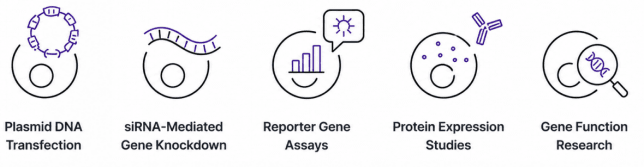
| Application | Recommended Nucleic Acid | Main Experimental Purpose |
|---|---|---|
| Plasmid DNA Transfection | Plasmid DNA | Gene Overexpression, Protein Expression |
| siRNA-Mediated Gene Knockdown | siRNA | Gene Silencing, Target Validation |
| Reporter Gene Assays | Reporter Plasmid | Promoter & Transcriptional Regulation |
| Protein Expression Studies | Expression Plasmid | Recombinant Protein Production |
| Gene Function Research | Plasmid DNA / siRNA | Gain-of-Function, Loss-of-Function, Functional Genomics |
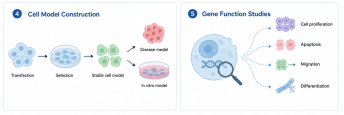
3.1.2.1Plasmid DNA Transfection
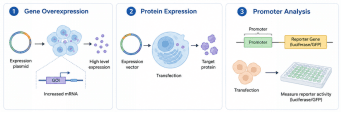
Plasmid DNA transfection is one of the most classic and widely used nucleic acid delivery methods in in vitro transfection. By introducing expression plasmids carrying target genes into mammalian cells, researchers can achieve transient or stable expression of the target genes, making this approach widely applicable to gene overexpression, protein expression, promoter activity analysis, and cell function studies. Depending on the experimental objectives and cell type, researchers can select different plasmid vectors and transfection systems to achieve appropriate expression levels while maintaining favorable cell conditions. Relevant reviews have indicated that plasmid-mediated gene delivery is an important method for recombinant gene expression in mammalian cells and is widely used in gene expression and protein production research.
Applicable Research Areas:
 |  |
Explore Our High-Performance Transfection Reagents>>TF01、TF02、TF03、TF05、TF06、TF07、TF09、TF19。
3.1.2.2 siRNA-Mediated Gene Knockdown
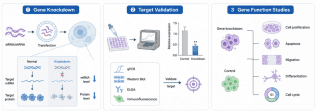
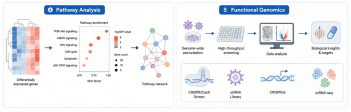
siRNA transfection is primarily used to specifically reduce the expression level of a target gene. After synthetic siRNA is delivered into cells, it can participate in the RNA interference (RNAi) pathway, where sequence complementarity enables recognition of the target mRNA and promotes its degradation, thereby suppressing gene expression. The landmark study by Elbashir et al. demonstrated that 21–22 nt siRNAs can function as RNAi effector molecules to mediate sequence-specific cleavage of target RNA. Since then, siRNA technology has been widely applied to gene function studies and functional genomics screening.
Therefore, for studies aimed at reducing the expression of a candidate gene, observing the resulting cellular phenotypic changes, and further validating gene function, siRNA transfection is a commonly used experimental strategy. It is important to note that siRNA experiments should generally include appropriate negative and positive controls, as well as multiple independent target sequences, to reduce the impact of nonspecific effects and off-target effects on experimental results.
Applicable Research Areas:
 |  |
Explore Our High-Performance Transfection Reagents >>TF06、TF08、TF09、TF10、TF11、TF12、TF13、TF14、TF19。
3.1.2.3 Reporter Gene Assays
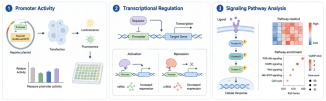
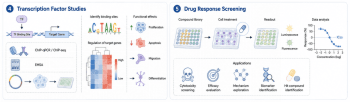
Reporter gene assays use reporter genes that produce readily detectable signals, such as luciferase, GFP, or β-galactosidase, to convert otherwise difficult-to-observe gene regulatory processes into quantifiable signals. By linking promoters, enhancers, or other regulatory elements to reporter genes and introducing these constructs into cells through transfection, researchers can compare reporter signals under different experimental conditions to analyze transcriptional regulation, promoter activity, signaling pathways, and transcription factor function. Relevant reviews have indicated that reporter gene systems have become important tools for studying gene expression and regulation, offering advantages such as high sensitivity, convenience, and broad applicability across experimental systems. In practical applications, dual-reporter systems can also incorporate an internal control reporter to normalize differences in transfection efficiency and variation between experiments, thereby improving data reliability. Therefore, reporter gene transfection is particularly suitable for promoter screening, transcription factor activity analysis, signaling pathway studies, and drug response evaluation.
Applicable Research Areas:
 |  |
Explore Our High-Performance Transfection Reagents >>TF01、TF02、TF03、TF05、TF06、TF07、TF09、TF19
3.1.2.4 Protein Expression Studies
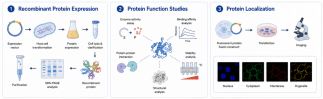
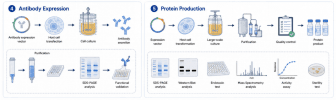
By transfecting mammalian cells with expression plasmids encoding the target protein, researchers can utilize the cells’ endogenous transcription and translation machinery to produce the target protein. Compared with prokaryotic expression systems, mammalian cells can provide protein folding, post-translational modifications, and protein assembly that more closely resemble those of native proteins, making them particularly suitable for studies requiring complex eukaryotic protein processing. Relevant reviews have shown that mammalian cell expression systems are widely used in recombinant protein research, and that target genes can be introduced into cells using plasmid-based vectors to achieve protein expression. Therefore, in vitro transfection is commonly used for recombinant protein expression, protein function studies, protein localization analysis, as well as antibody and other biomolecule research. For experiments requiring rapid evaluation of target protein expression, transient transfection offers particular flexibility and can avoid the lengthy process required to establish stable cell lines.
Applicable Research Areas:
 |  |
Explore Our High-Performance Transfection Reagents >>TF01、TF02、TF03、TF05、TF06、TF07、TF09、TF19。
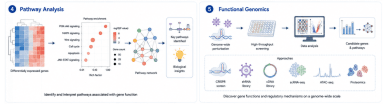
3.1.2.5 Gene Function Research
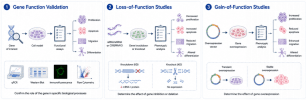
Gene function research typically involves deliberately altering the expression level of a target gene and then observing the resulting molecular or phenotypic changes in cells to determine its biological role. In vitro transfection provides multiple experimental strategies: overexpression of the target gene using plasmid DNA can be used to study cellular responses to increased gene activity, while siRNA-mediated gene knockdown can be used to observe phenotypic changes resulting from reduced target gene expression. Combining these two approaches enables researchers to validate the relationship between candidate genes and specific cellular functions or signaling pathways from different directions. siRNA technology has particularly contributed to the development of functional genomics and has been widely used for large-scale gene function screening and candidate target validation. Therefore, in vitro transfection serves as an important experimental tool for connecting “gene → molecular changes → cellular phenotype”, and is widely used in disease mechanism research, signaling pathway analysis, target validation, and functional genomics studies.
Applicable Research Areas:
 |  |
Explore Our High-Performance Transfection Reagents >>TF01、TF02、TF03、TF05、TF06、TF07、TF08、TF09、TF10、TF11、TF12、TF13、TF14、TF19
3.2 Physical Transfection
Direct Nucleic Acid Delivery Through Physical Methods
Physical transfection uses electric fields, mechanical forces, or other physical effects to temporarily alter cell membrane permeability, allowing nucleic acids and other biological macromolecules to enter cells without relying on conventional lipid or polymer carriers. Physical transfection is particularly suitable for primary cells, stem cells, immune cells, and other hard-to-transfect cells, providing a flexible delivery approach for studies involving gene expression regulation, gene editing, and cell engineering. Major approaches include electroporation, microinjection, sonoporation, and particle-mediated delivery.
Electroporation
Electroporation uses short electrical pulses to induce temporary and reversible changes in cell membrane permeability, facilitating the entry of DNA, RNA, proteins, and CRISPR-related components into cells. After the electrical pulse, the cell membrane gradually recovers, enabling effective intracellular delivery.
Main Applications:
Gene Overexpression · Gene Knockdown · mRNA Delivery · CRISPR Gene Editing · Cell Engineering
Microinjection
Microinjection uses a fine needle to directly introduce nucleic acids, proteins, or other biomolecules into individual cells or cell nuclei, enabling highly precise molecular delivery. This method is suitable for precise manipulation of individual cells and studies of embryonic development.
Main Applications:
Single-Cell Research · Embryo Manipulation · Gene Expression Studies · Cell Function Studies
Sonoporation
Sonoporation uses the mechanical effects generated by ultrasound to induce temporary changes in cell membrane permeability, thereby facilitating the entry of nucleic acids, proteins, or other molecules into cells. This technology can be used for various in vitro molecular delivery and cell engineering applications.
Main Applications:
Gene Delivery · Molecular Delivery · Cell Engineering
Particle-Mediated Delivery
Particle-mediated delivery uses high-velocity particles or other physical forces to introduce nucleic acids and other biomolecules into cells. This approach is mainly used for specific cell systems and specialized delivery applications where conventional transfection methods may be less suitable.
Main Applications:
DNA Delivery · Specialized Cell Systems · Specialized Research
More products coming soon.
3.3Viral Transduction
Efficient Gene Delivery Using Viral Vectors
Viral transduction is a gene delivery technology that uses genetically engineered viral vectors to deliver exogenous genetic material into target cells. By utilizing the natural mechanisms of viruses for cellular entry and genetic material delivery, viral vectors can efficiently enter a wide range of cell types and, depending on the vector type, achieve transient or sustained gene expression. Compared with conventional chemical transfection, viral transduction generally provides higher cellular entry efficiency and is particularly suitable for primary cells, stem cells, immune cells, and other hard-to-transfect cells.
Viral vectors are widely used in gene function research, cell engineering, stable cell line construction, gene editing, and gene therapy-related research. Major viral vector systems include lentiviral vectors, adeno-associated viral (AAV) vectors, adenoviral vectors, and retroviral vectors.
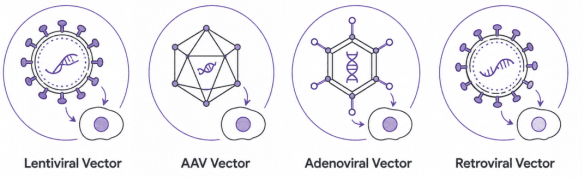
Lentiviral vectors (LVs) are derived from retroviral vector systems and have been genetically engineered to deliver target genes into a wide range of dividing and non-dividing cells. Lentiviral vectors can generally achieve relatively long-lasting gene expression and are therefore widely used for stable cell line construction, gene function studies, and cell engineering.
Main Applications:
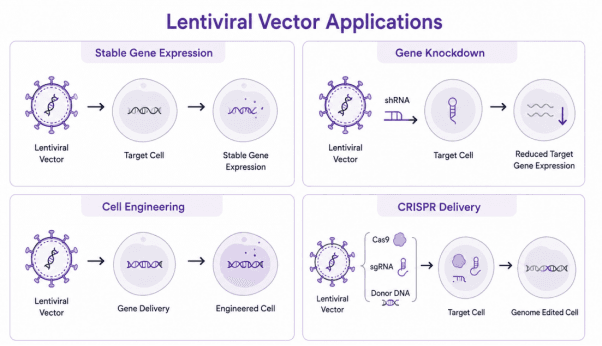
Stable Gene Expression · Gene Knockdown · Cell Engineering · CRISPR Delivery
More products coming soon.
Adeno-associated virus (AAV) vectors have good cellular compatibility and relatively low immunogenicity, making them one of the commonly used gene delivery vectors in research. Depending on the serotype or capsid design, AAV vectors can exhibit different tissue and cell tropisms and are suitable for a wide range of in vivo and in vitro gene delivery studies.
Main Applications:
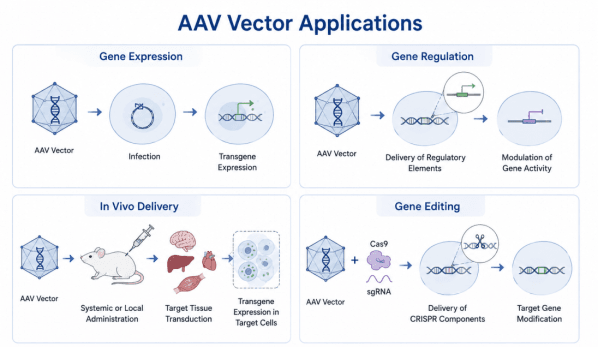
Gene Expression · Gene Regulation · In Vivo Delivery · Gene Editing
More products coming soon.
Adenoviral vectors can efficiently enter a wide range of cell types and typically achieve strong exogenous gene expression. Since their genomes generally do not integrate into the host genome, adenoviral vectors are commonly used for studies requiring high-level, short-term gene expression.
Main Applications:
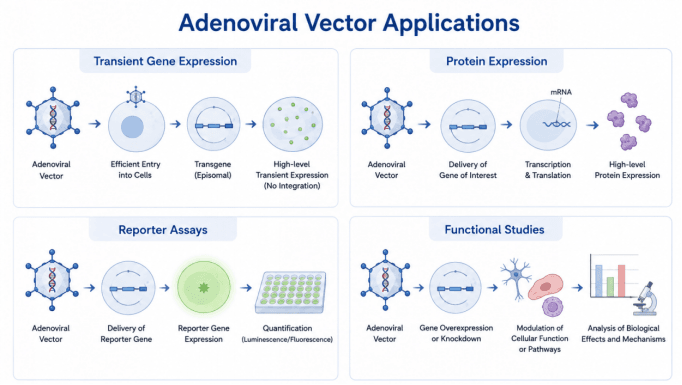
Transient Gene Expression · Protein Expression · Reporter Assays · Functional Studies
More products coming soon.
Retroviral vectors can deliver exogenous genetic material into target cells and are suitable for establishing stable gene expression cell models. Their key characteristic is the ability to maintain genetic material stably during cell division, making them commonly used for cell engineering and stable cell line construction.
Main Applications:
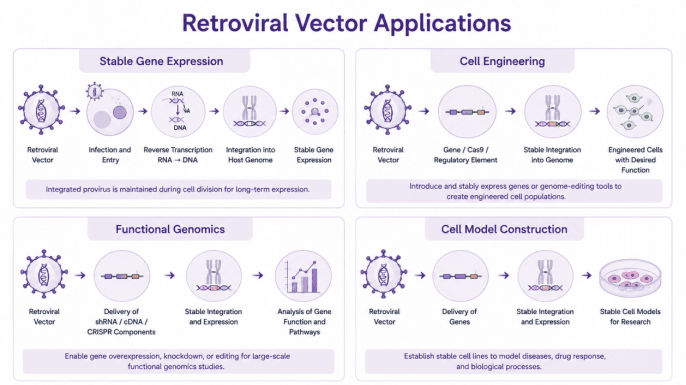
Stable Gene Expression · Cell Engineering · Functional Genomics · Cell Model Construction
More products coming soon.