
info@ucallmlabs.com
Angiogenesis is a regulated process of new blood vessel formation controlled by growth factors, endothelial signaling, extracellular matrix interactions, and tissue microenvironments. Abnormal angiogenesis contributes to cancer, inflammation, vascular disease, and impaired regeneration. We provide an end-to-end research solution — from angiogenic signaling markers to endothelial functional assays — enabling investigation of vascular development and remodeling.
Key Target Highlights
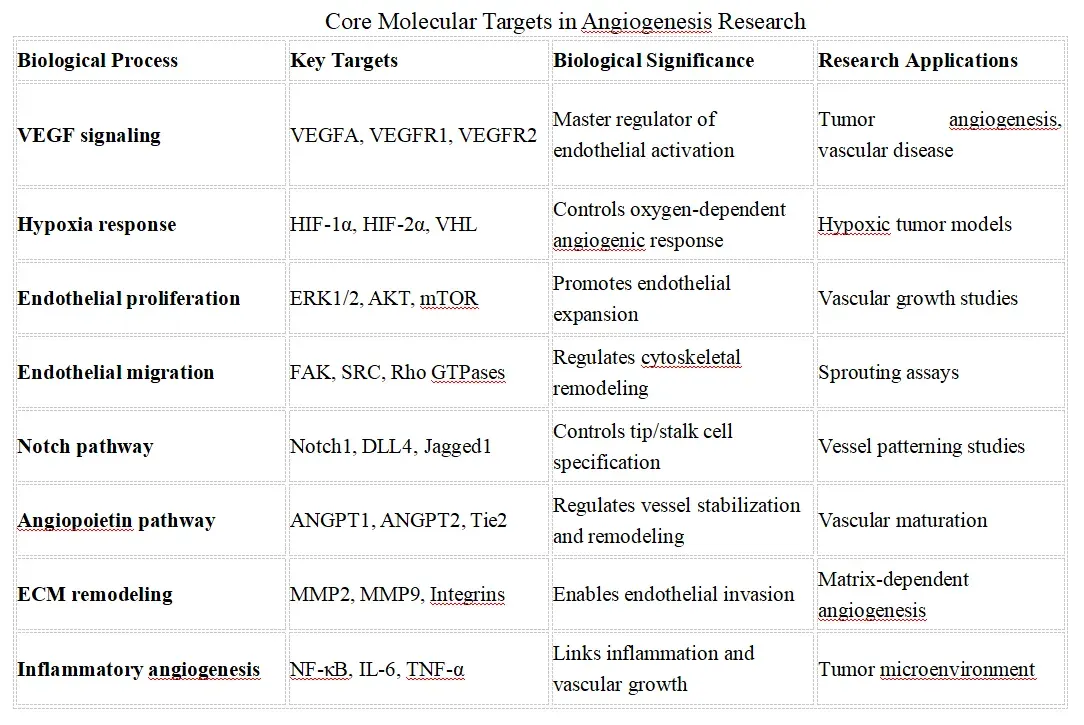 Key research trend: Modern angiogenesis research is increasingly moving beyond the classical VEGF–VEGFR pathway toward integrated vascular biology approaches combining endothelial heterogeneity, metabolic regulation, immune–vascular communication, extracellular matrix remodeling, and spatial tissue organization. Emerging single-cell and spatial technologies are redefining how angiogenic processes are studied in cancer, regeneration, cardiovascular disease, and inflammatory disorders.
Recommended Angiogenesis Marker Strategy
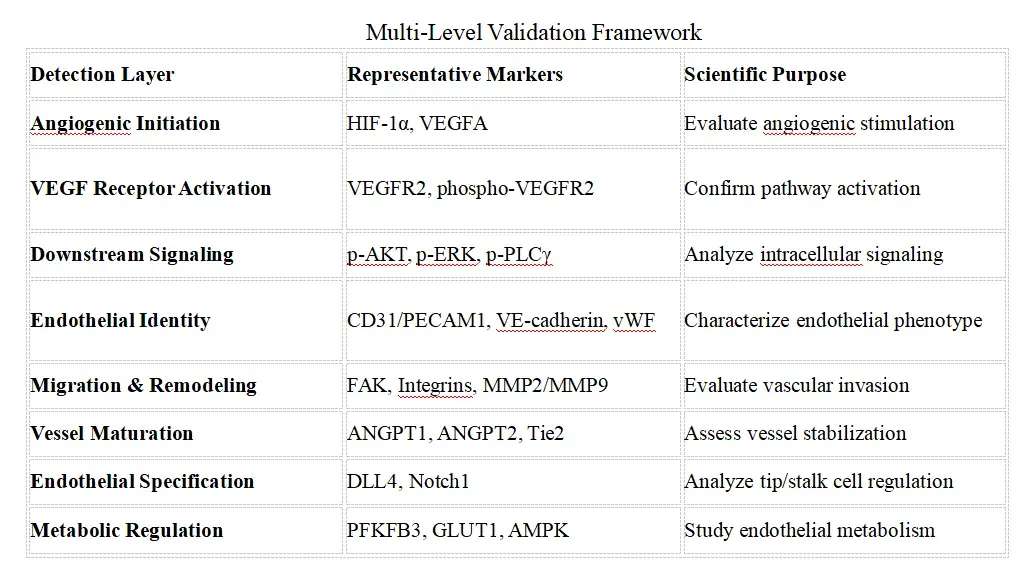
Core Angiogenesis Validation Strategy
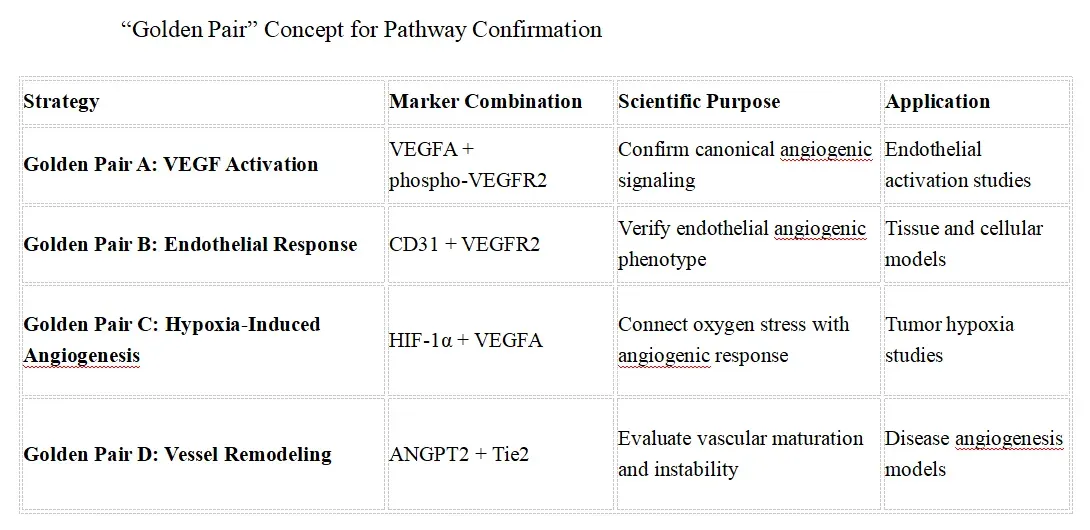
Competitive Technology Landscape
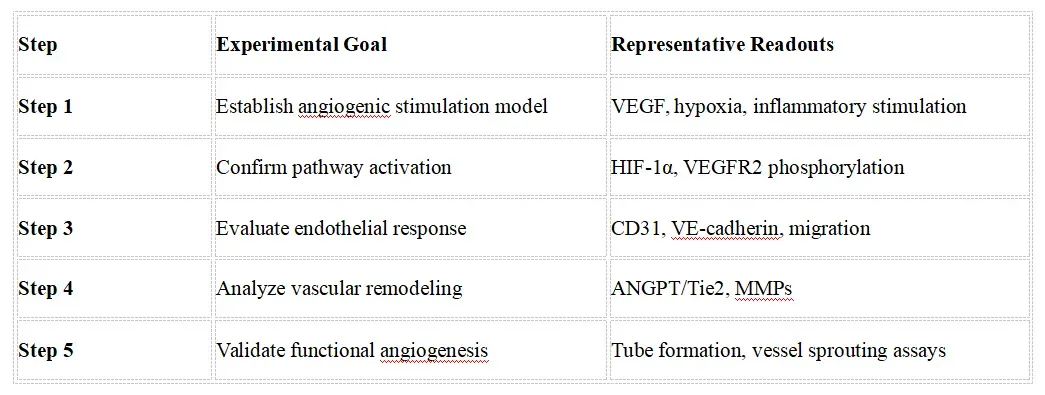
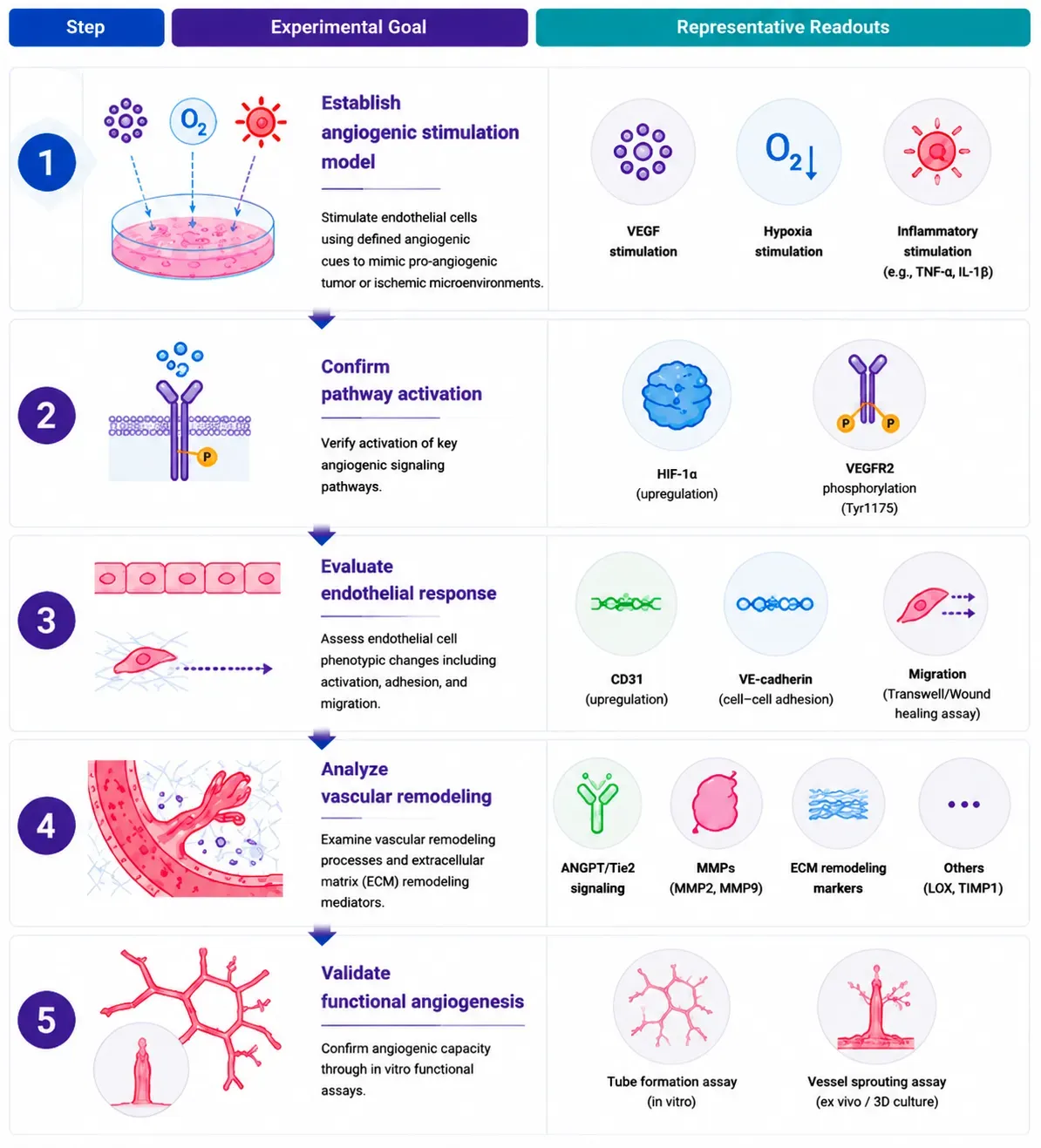
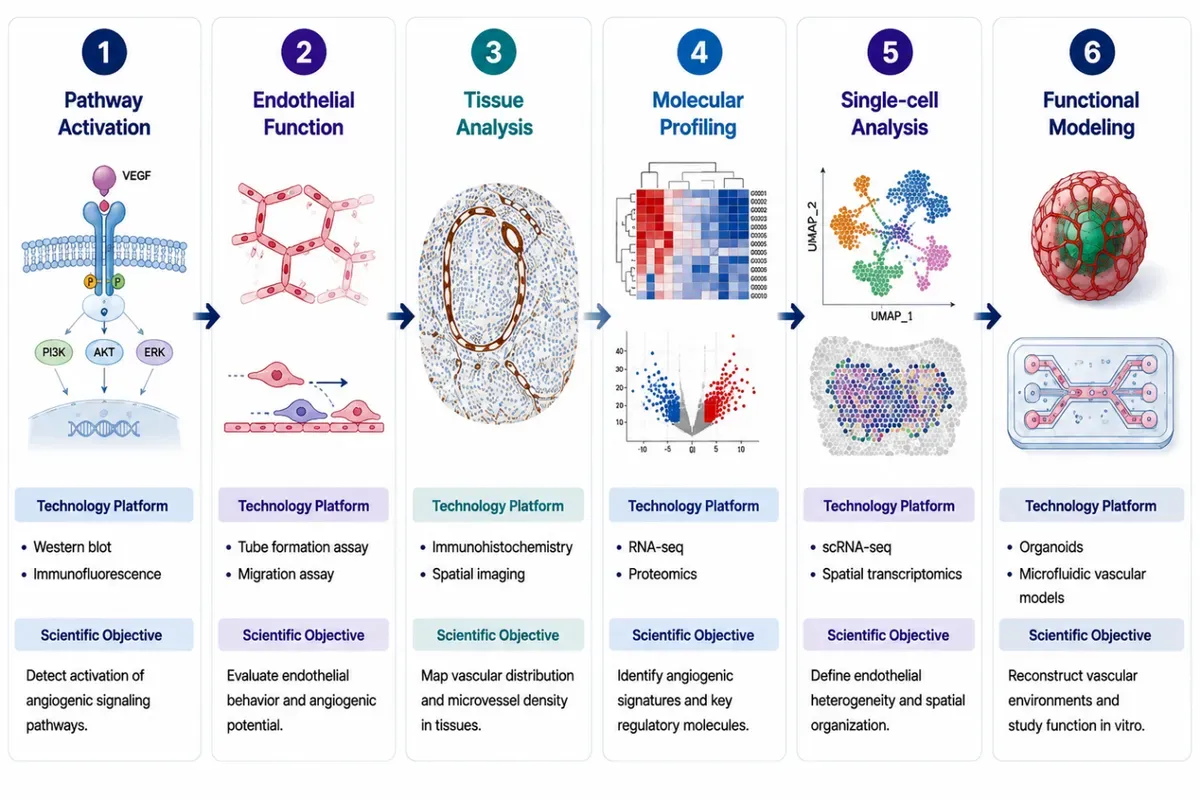 An integrated angiogenesis research workflow combining pathway validation, endothelial functional analysis, tissue characterization, multi-omics profiling, single-cell technologies, and advanced vascular models to comprehensively define angiogenic mechanisms, vascular heterogeneity, and functional remodeling.
Pathway Overview
Angiogenesis is the formation of new blood vessels from existing vasculature and is regulated by coordinated signaling between endothelial cells, growth factors, extracellular matrix, and immune components. The VEGF–VEGFR, Notch, ANGPT–Tie2, integrin, and hypoxia–HIF pathways control endothelial proliferation, migration, vessel maturation, and remodeling. Angiogenesis research is critical for understanding cancer progression, vascular diseases, and tissue regeneration. 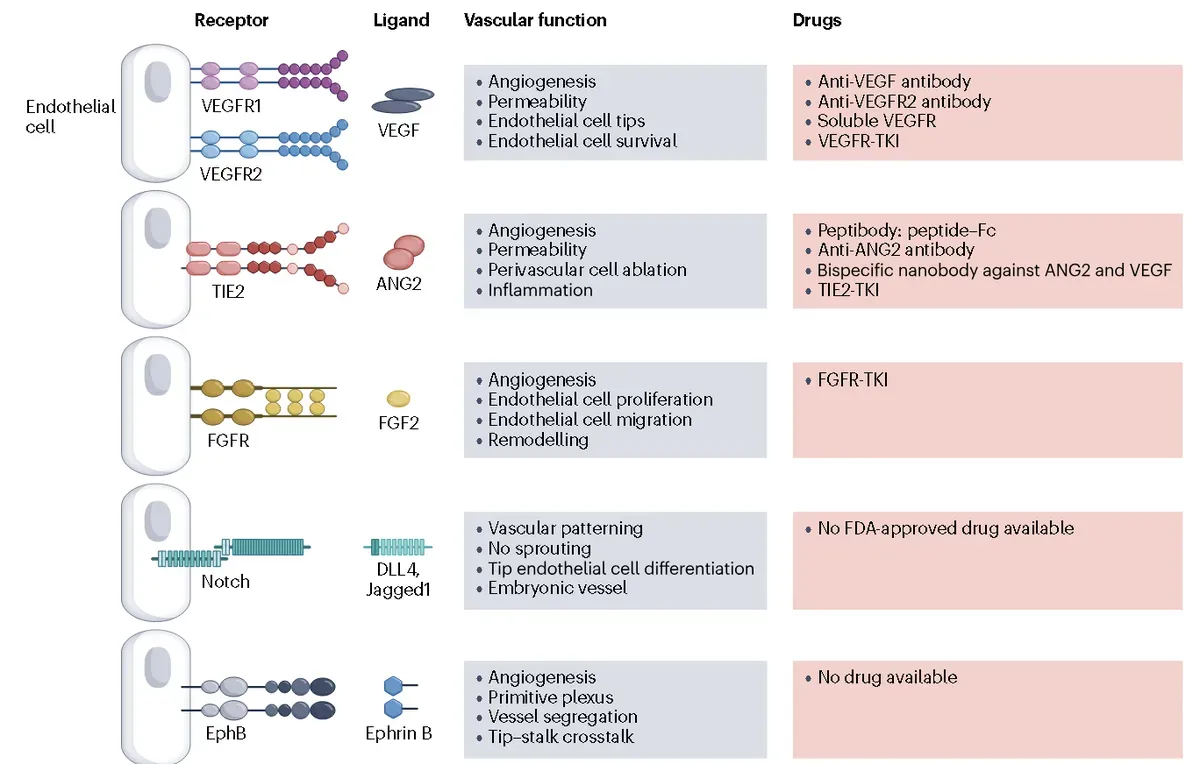 Angiogenic signalling molecules and their vascular functions. (PMID: 37041221)
Recommended Experimental Validation Workflow
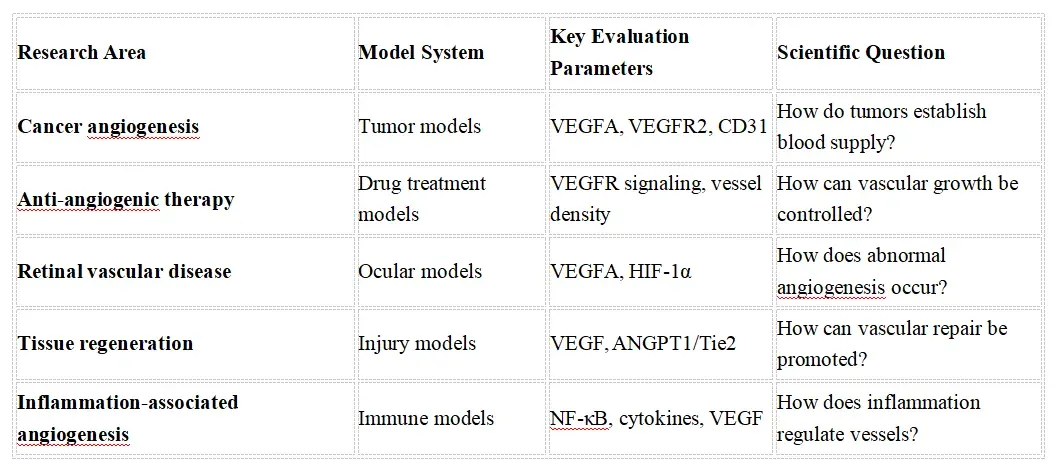
Featured Research Application Examples
Frequently Asked Questions
Q1.Which biomarkers should I use to comprehensively evaluate angiogenesis? Angiogenesis should be assessed using multiple complementary biomarkers rather than a single target. Core markers include VEGFA and VEGFR2 (pro-angiogenic signaling), CD31 (PECAM-1) and Endomucin (endothelial cell identification), CD34 (microvascular density), α-SMA and PDGFRβ (vessel maturation and pericyte coverage), and HIF-1α (hypoxia-induced angiogenic response). Combining signaling, endothelial, and vascular maturation markers provides a comprehensive evaluation of angiogenic activity. Q2. How can angiogenic signaling be distinguished from functional blood vessel formation? Activation of angiogenic pathways does not necessarily result in functional neovascularization. Pathway activation is typically evaluated by phosphorylation of VEGFR2, AKT, ERK1/2, and related signaling molecules, whereas functional angiogenesis should be confirmed using endothelial migration, proliferation, tube formation, spheroid sprouting, aortic ring assays, or in vivo vascularization models. Integrating molecular and functional assays provides the most reliable assessment of angiogenesis. Q3. . Which experimental approaches provide the most reliable assessment of angiogenesis? Robust angiogenesis studies integrate Western blotting, immunofluorescence, immunohistochemistry, ELISA, endothelial tube formation assays, migration and invasion assays, 3D spheroid sprouting, aortic ring assays, live-cell imaging, and genetic perturbation (CRISPR/RNAi). Orthogonal validation across molecular, cellular, and tissue-level assays strengthens mechanistic conclusions and improves reproducibility.
Q4. What are the most common pitfalls in angiogenesis research? Common pitfalls include relying solely on VEGF expression as evidence of angiogenesis, interpreting endothelial proliferation without assessing vessel functionality, using only two-dimensional tube formation assays, neglecting vessel maturation markers such as α-SMA or PDGFRβ, and omitting appropriate positive and negative controls. Comprehensive interpretation requires integrating signaling activation, endothelial function, vascular architecture, and vessel maturation analyses. 5.How can angiogenesis be comprehensively characterized in physiological and disease contexts? Modern angiogenesis research integrates pathway validation, functional endothelial assays, advanced vascular imaging, genetic perturbation, multi-omics technologies, and single-cell/spatial omics to define angiogenic signaling, endothelial heterogeneity, vascular remodeling, and disease-associated neovascularization in cancer, cardiovascular disease, chronic inflammation, wound healing, ocular disorders, and tissue regeneration.
Key References
- Lee C., Kim M.J., Kumar A., et al. (2025).Vascular endothelial growth factor signaling in health and disease: from molecular mechanisms to therapeutic perspectives.Signal Transduction and Targeted Therapy. 10:170.
2.Guelfi S., Hodivala-Dilke K., Bergers G. (2024).Targeting the tumour vasculature: from vessel destruction to promotion.Nature Reviews Cancer. 24(10):655–675.
3.Pérez-Gutiérrez L., Ferrara N. (2023).Biology and therapeutic targeting of vascular endothelial growth factor A.Nature Reviews Molecular Cell Biology. 24(11):816–834.
4.Cao Y., Langer R., Ferrara N. (2023).Targeting angiogenesis in oncology, ophthalmology and beyond.Nature Reviews Drug Discovery. 22(6):476–495.