
info@ucallmlabs.com
Inflammasomes are intracellular immune platforms that detect cellular stress and danger signals to regulate inflammatory cytokine maturation and pyroptosis. Dysregulated inflammasome activation contributes to chronic inflammation, aging, metabolic disorders, and neurodegeneration. We provide a complete research toolkit — from inflammasome activation markers to inflammatory response assays — enabling detailed analysis of innate immune signaling mechanisms.
Key Target Highlights
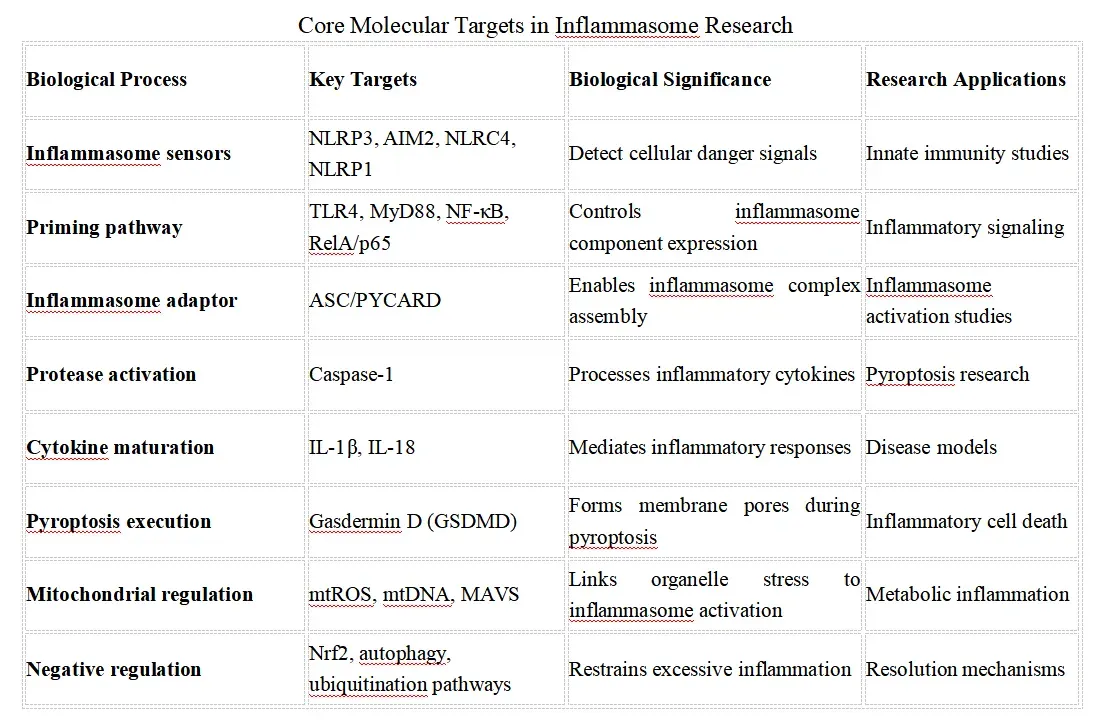 Key research trend: Modern inflammasome research is moving beyond the classical NLRP3–ASC–caspase-1–IL-1β axis toward an integrated regulatory framework involving metabolic sensing, mitochondrial dysfunction, post-translational modification, selective autophagy, and crosstalk with other regulated cell death pathways. Recent advances highlight inflammasomes as central signaling hubs connecting innate immunity, chronic inflammation, aging, and therapeutic discovery.
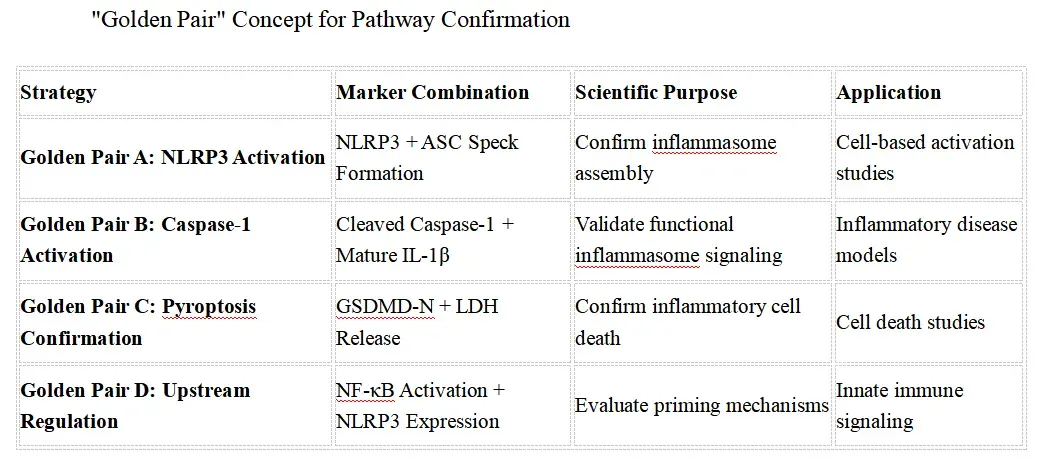
Recommended Inflammasome Marker Strategy
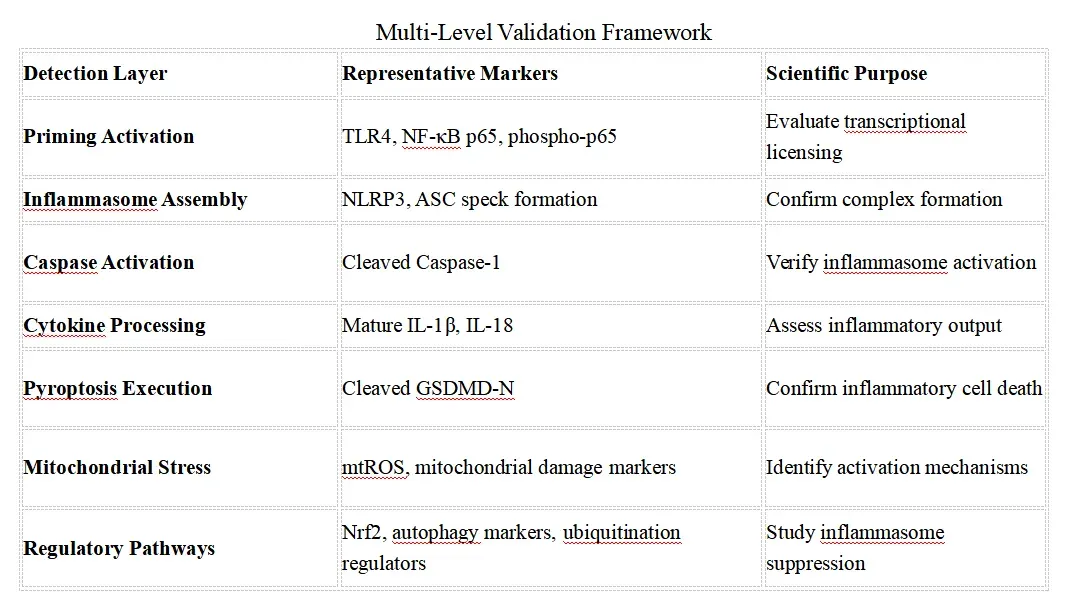
Core Inflammasome Validation Strategy
Competitive Technology Landscape
Inflammasome Research Workflow 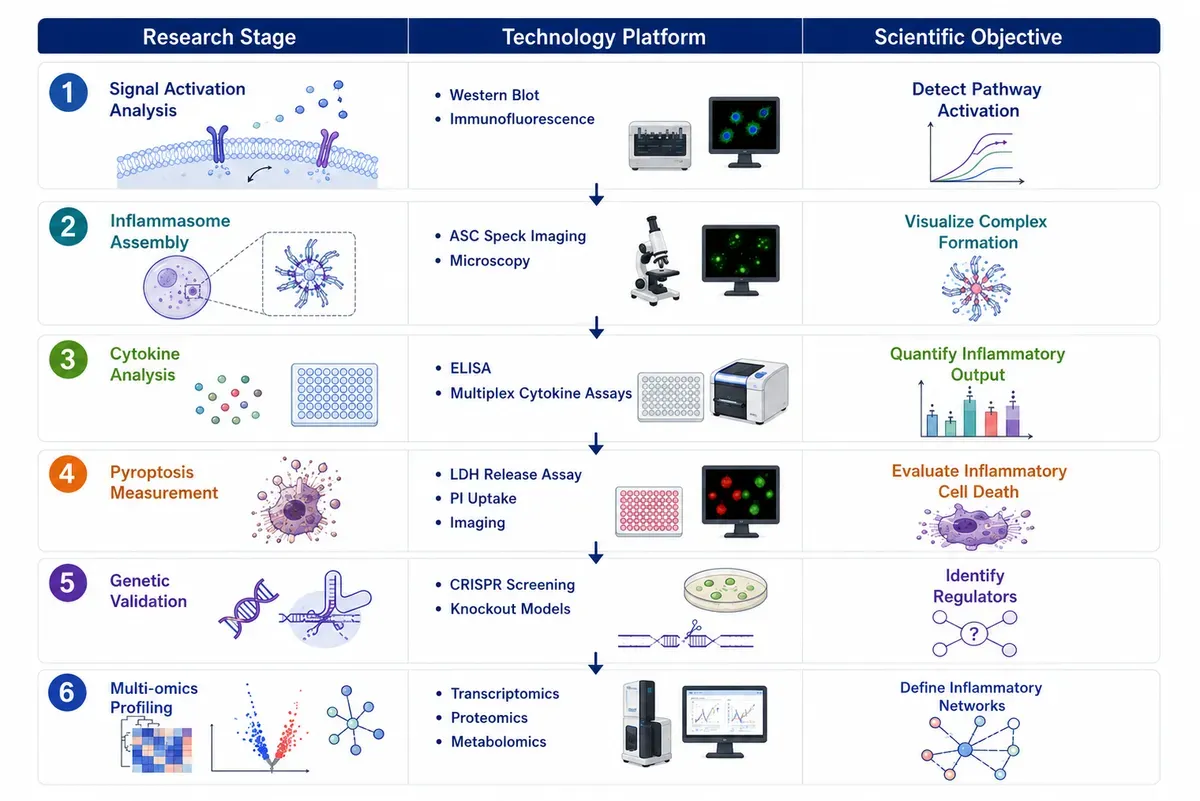 This integrated Inflammasome Research Workflow combines protein analysis, imaging, functional assays, genetic validation, and multi-omics profiling to comprehensively characterize inflammasome activation, downstream inflammatory responses, and regulatory mechanisms. By linking molecular events to systems-level biological insights, the workflow provides a robust framework for target identification, biomarker discovery, therapeutic validation, and translational research across inflammation-associated diseases.
Pathway Overview
Inflammasomes are intracellular immune signaling complexes that sense cellular stress, pathogens, and damage signals to activate inflammatory responses. Major inflammasome pathways, particularly NLRP3, AIM2, and NLRC4, regulate caspase-1 activation, IL-1β/IL-18 maturation, and gasdermin-mediated pyroptosis. Inflammasome signaling plays important roles in inflammation, aging, infection, metabolic disorders, and neurodegeneration. 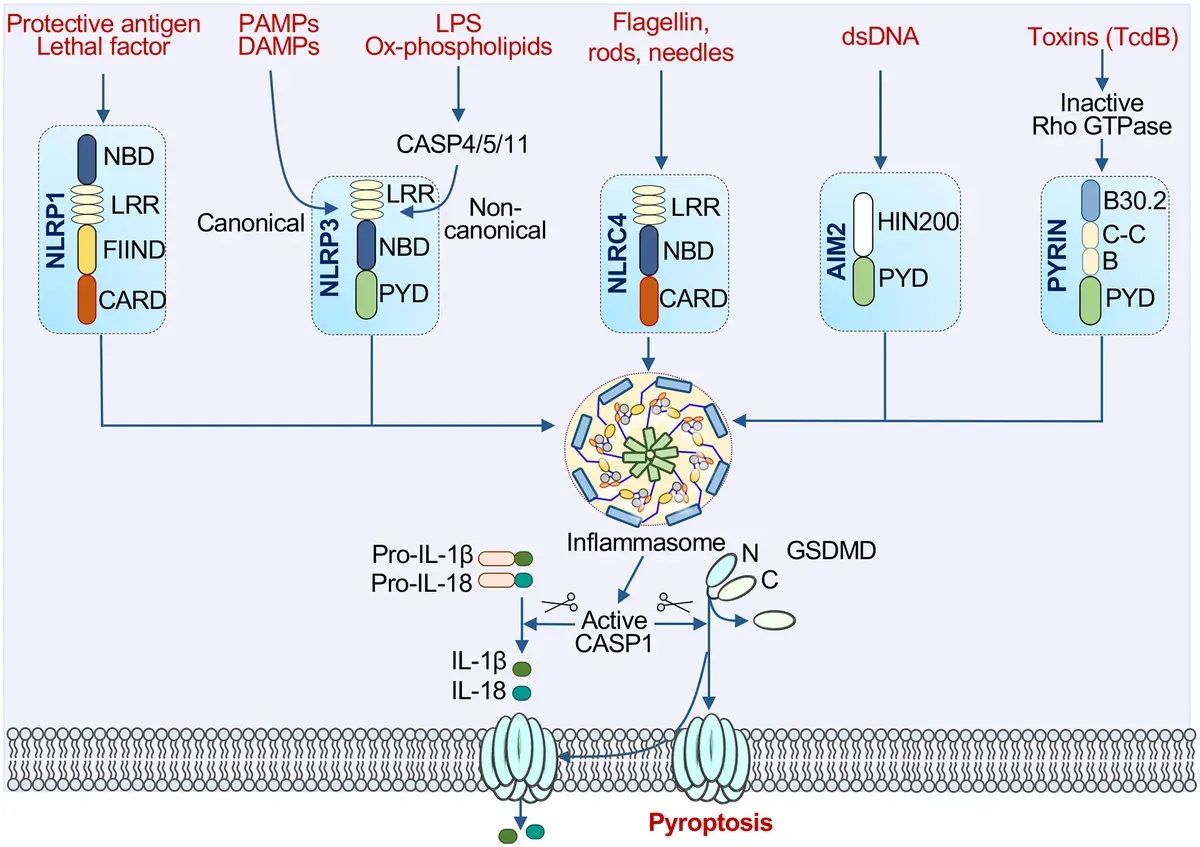 Basic mechanisms of inflammasome activation. (PMID: 36150688)
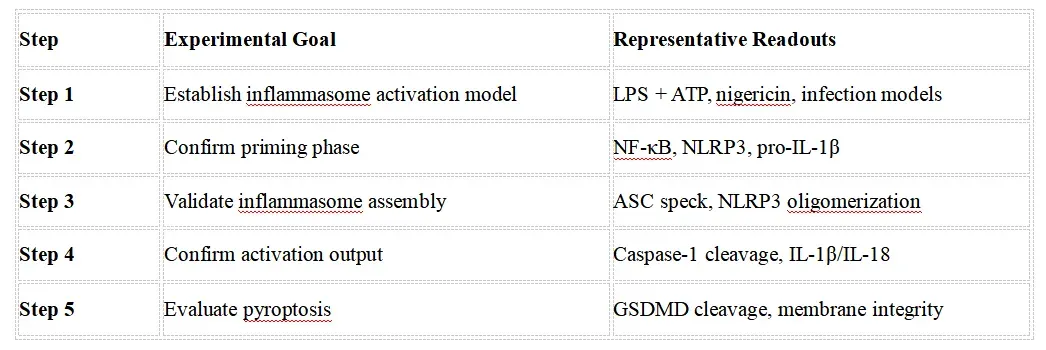
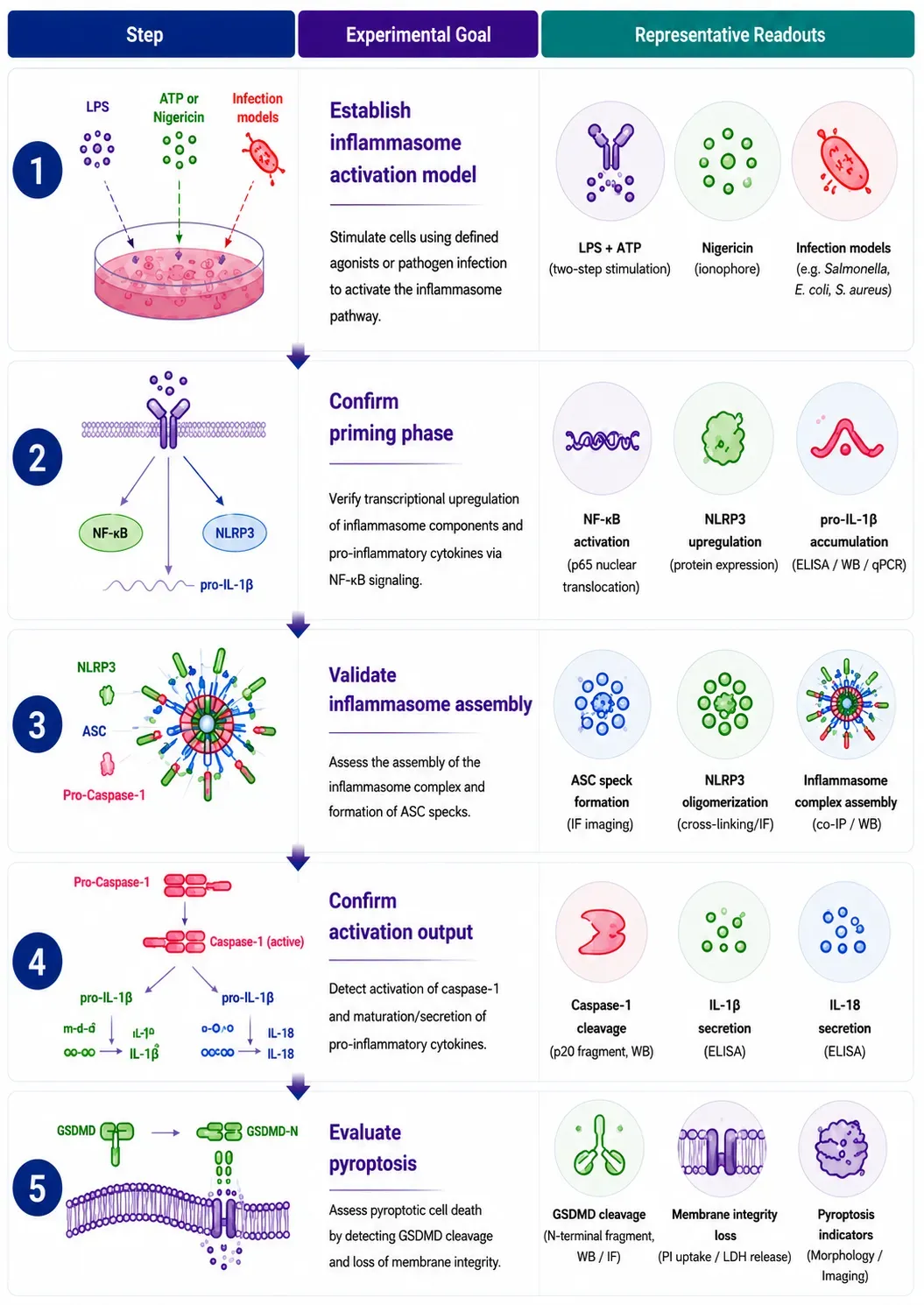
Recommended Experimental Validation Workflow
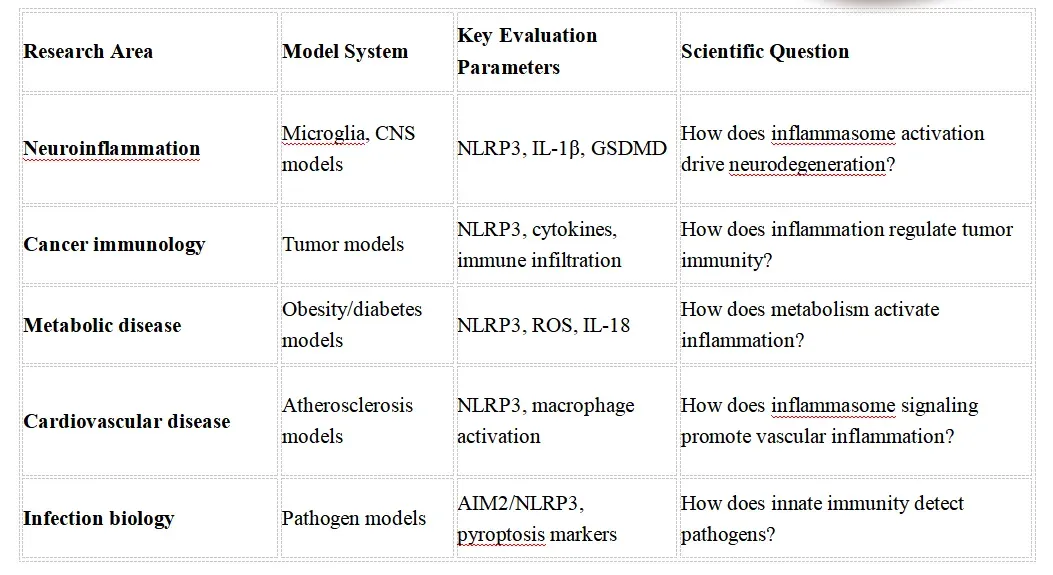
Featured Research Application Examples
Frequently Asked Questions
Q1. Which biomarkers should I use to comprehensively evaluate inflammasome activation? Inflammasome activation should be assessed using multiple complementary biomarkers rather than a single target. Key markers include NLRP3 (sensor activation), ASC (speck formation and adaptor assembly), Caspase-1 (cleavage to p20), IL-1β and IL-18 (maturation and secretion), and GSDMD (cleavage and pore formation). Combining upstream, assembly, and downstream readouts provides the most reliable assessment of inflammasome activity. Q2. How can I distinguish inflammasome priming from inflammasome activation? Inflammasome signaling consists of two distinct phases. The priming step (Signal 1) activates NF-κB, inducing expression of NLRP3 and pro-IL-1β, whereas the activation step (Signal 2) triggers inflammasome assembly, Caspase-1 activation, cytokine maturation, and pyroptosis. Reliable studies should independently evaluate both phases using appropriate molecular and functional assays. Q3. Which experimental approaches provide the most reliable assessment of inflammasome activation? Robust inflammasome studies integrate Western blotting, ELISA, immunofluorescence, ASC speck imaging, co-immunoprecipitation, cross-linking assays, flow cytometry, and genetic perturbation (CRISPR/RNAi). Orthogonal validation of complex assembly, Caspase-1 activation, cytokine release, and pyroptosis minimizes experimental bias and strengthens mechanistic conclusions.
Q4.What are the most common pitfalls in inflammasome research? Common pitfalls include relying solely on IL-1β secretion as evidence of inflammasome activation, failing to distinguish priming from activation, using inappropriate stimulation conditions (e.g., LPS, ATP, nigericin), neglecting ASC oligomerization or Caspase-1 cleavage, and omitting proper positive and negative controls. Comprehensive interpretation requires analysis of multiple biomarkers across the entire signaling cascade. Q5.How can inflammasome activation be comprehensively characterized in physiological and disease contexts? Modern inflammasome research integrates pathway validation, inflammasome assembly assays, cytokine profiling, pyroptosis analysis, multi-omics technologies, and single-cell/spatial omics to define inflammatory signaling dynamics, cellular heterogeneity, and disease mechanisms in infection, cancer, autoimmune disorders, neurodegeneration, and metabolic disease.
Key References
- Paik S., Kim J.K., Shin H.J., Park E.J., Kim I.S., Jo E.K. (2025).Updated insights into the molecular networks for NLRP3 inflammasome activation.Cellular & Molecular Immunology. 22:563–596.
- Xu W., Huang Y., Zhou R. (2025).NLRP3 inflammasome in neuroinflammation and central nervous system diseases.Cellular & Molecular Immunology. 22:341–355
- Jiang Y., Qiang Z., Liu Y., et al. (2025).Diverse functions of NLRP3 inflammasome in PANoptosis and diseases.Cell Death Discovery. 11:286.
- Vande Walle L., Lamkanfi M. (2024).Drugging the NLRP3 inflammasome: from signalling mechanisms to therapeutic targets.Nature Reviews Drug Discovery. 23:43–66.
- Fu J., Schroder K., Wu H. (2024). Mechanistic insights from inflammasome structures. Nature Reviews Immunology. 24:518–535.
- Coll R.C., Schroder K. (2025). Inflammasome components as new therapeutic targets in inflammatory disease. Nature Reviews Immunology. 25:22–41. (Published online September 2024.)
- Paik S., Kim J.K., Shin H.J., et al. (2025). Updated insights into the molecular networks for NLRP3 inflammasome activation. Cellular & Molecular Immunology. 22:563–596.
- Dubey S.R., Turnbull C., Pandey A., et al. (2025). Molecular mechanisms and regulation of inflammasome activation and signaling: sensing of pathogens and damage molecular patterns. Cellular & Molecular Immunology. 22:1313–1344.