Overview
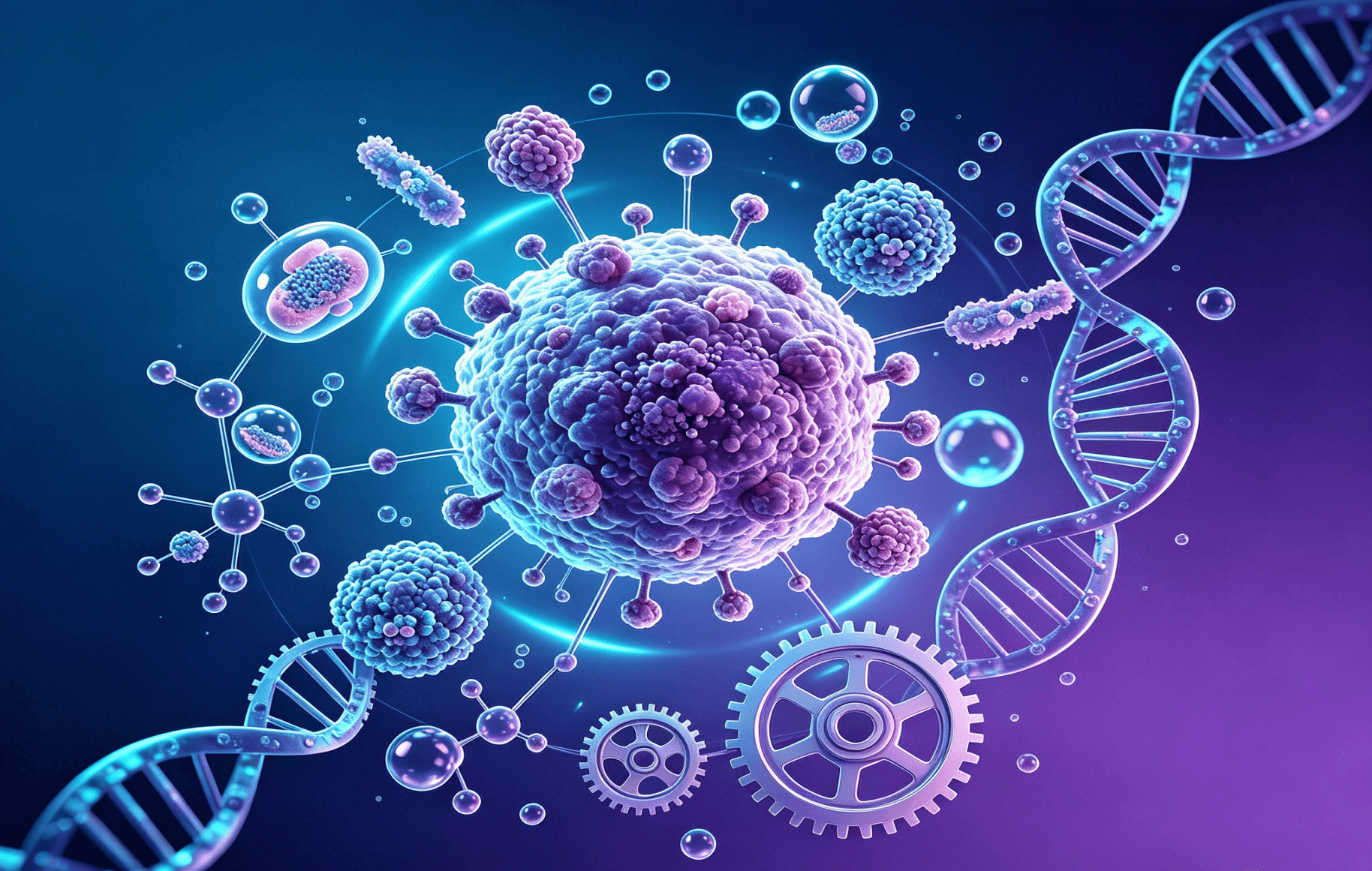
Protein post-translational modifications (PTMs) are covalent chemical modifications occurring after protein synthesis that expand proteomic diversity and regulate protein properties and functions. More than 650 types of PTMs have been identified, including phosphorylation, acylation, ubiquitination, methylation, and glycosylation. PTMs dynamically modulate protein function by influencing molecular properties such as enzymatic activity, stability, localization, conformation, and molecular interactions. These regulatory events are essential for diverse cellular processes, including signal transduction, gene regulation, metabolism, and immune responses. Aberrant PTMs regulation can perturb cellular signaling networks and contribute to disease initiation and progression. Dysregulated PTMs are increasingly recognized as important molecular drivers and biomarkers in various diseases, providing valuable opportunities for disease mechanism studies and therapeutic development.
Product Topics
Subcategories
 Classical PTMsClassical PTMs
Well-characterized modifications with established regulatory mechanisms and biological functions.
>> View productsEmerging PTMsEmerging PTMsRapidly expanding modification types with growing evidence linking metabolic states, cellular regulation, and disease progression.
>> View productsTry another keyword, SKU, CAS number, or product category.