
info@ucallmlabs.com
Current research focuses on uncovering the molecular interactions between protein aggregation, immune responses, mitochondrial dysfunction, and neuronal vulnerability. We provide an integrated research solution — from key AD signaling targets to functional validation assays — enabling comprehensive investigation of neurodegenerative mechanisms.
Key Target Highlights
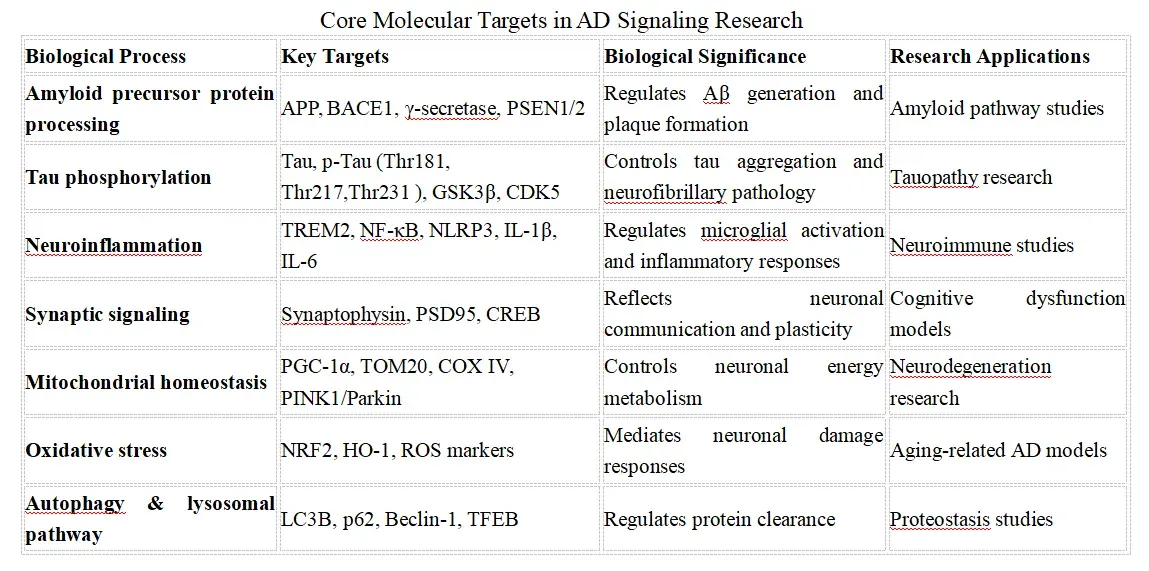
Key research trend:
Emerging approaches, including single-cell sequencing, spatial omics, biomarker discovery, and precision medicine strategies, are enabling deeper characterization of disease heterogeneity and the identification of novel therapeutic targets for early diagnosis, disease modification, and neuroprotection.
Recommended AD Research Marker Strategy
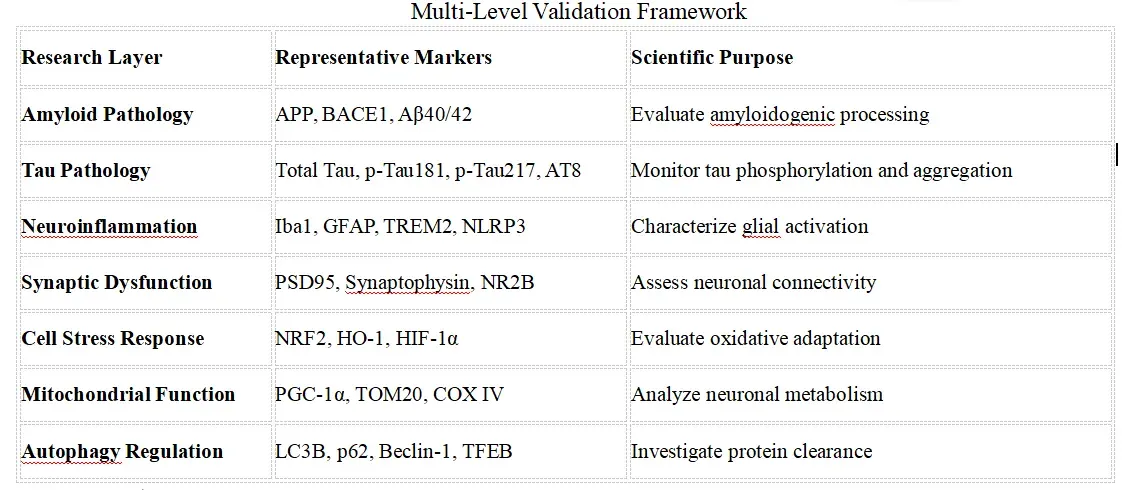
Core AD Validation Strategy
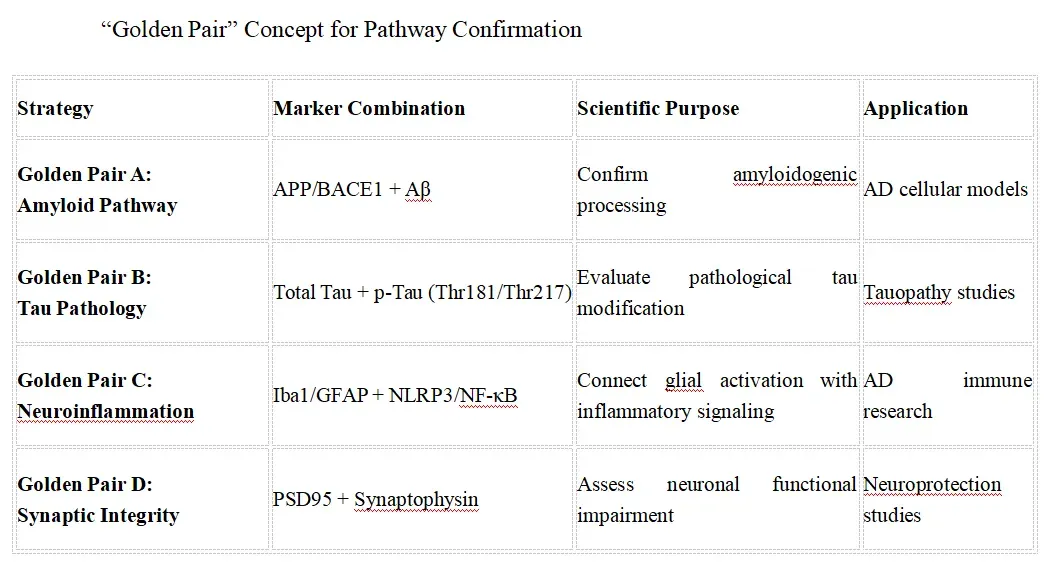
Competitive Technology Landscape
AD Research Workflow 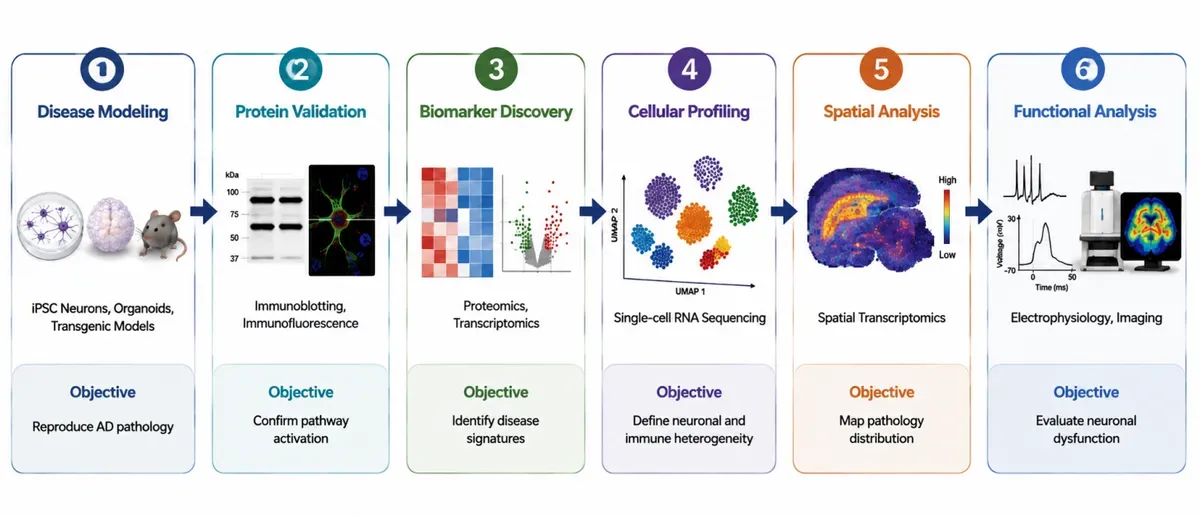 A comprehensive Alzheimer’s disease (AD) research workflow integrates advanced disease models, molecular profiling, spatial technologies, and functional validation approaches to systematically uncover disease mechanisms, identify biomarkers, and accelerate therapeutic discovery.
Pathway Overview
Alzheimer’s disease (AD) is a progressive neurodegenerative disorder driven by complex interactions among amyloid-β accumulation, tau hyperphosphorylation, neuroinflammation, mitochondrial dysfunction, oxidative stress, and impaired proteostasis. Core signaling pathways, including APP processing, tau kinase signaling, microglial activation, autophagy, and neuronal survival pathways, regulate disease initiation and progression. Investigating these mechanisms is essential for understanding neurodegeneration and identifying therapeutic targets. 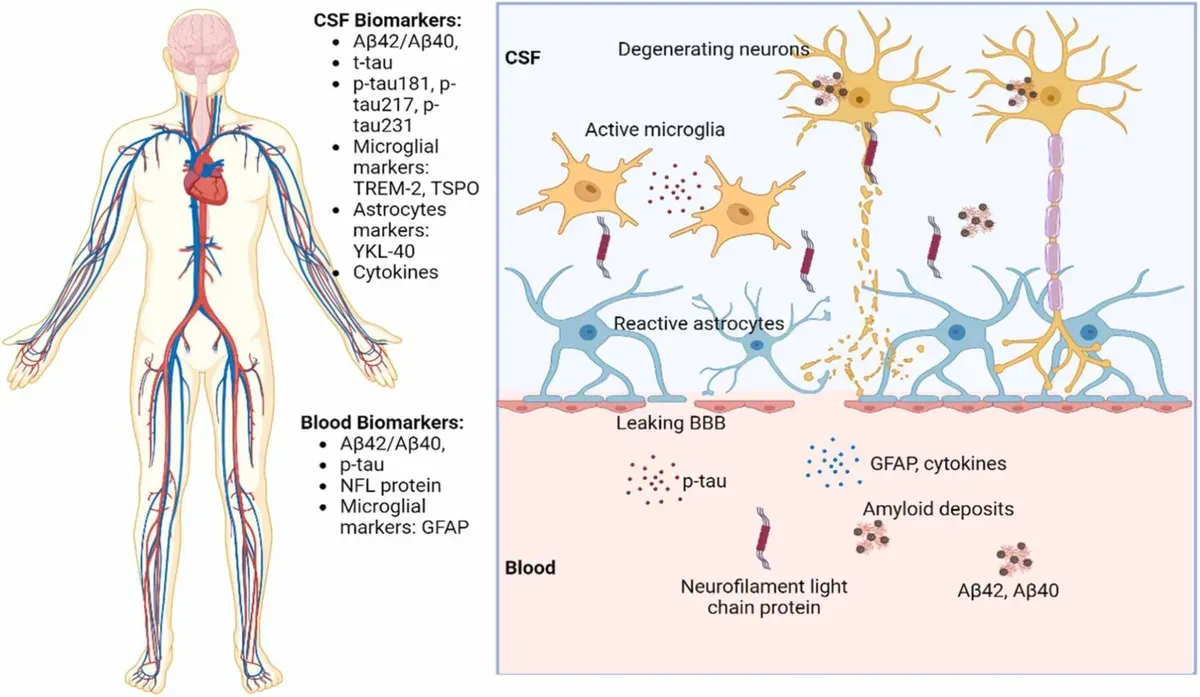 Among the biomarkers for Alzheimer’s Disease (AD), CSF biomarkers are the most widely used. (PMID: 39236855)
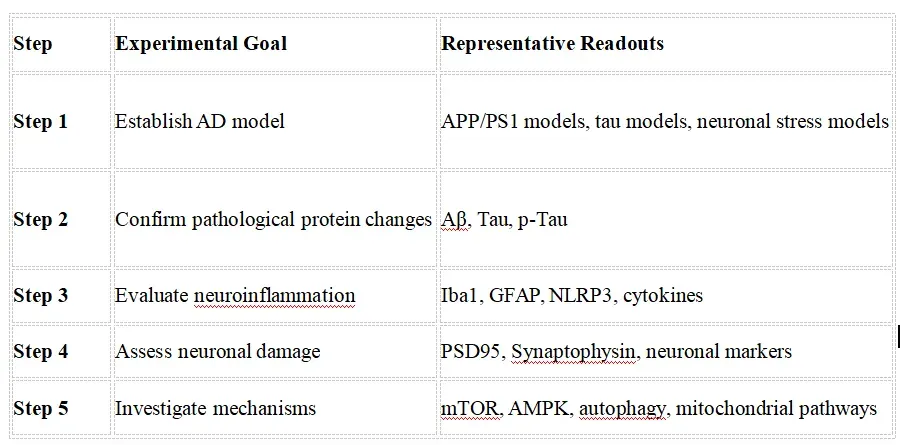
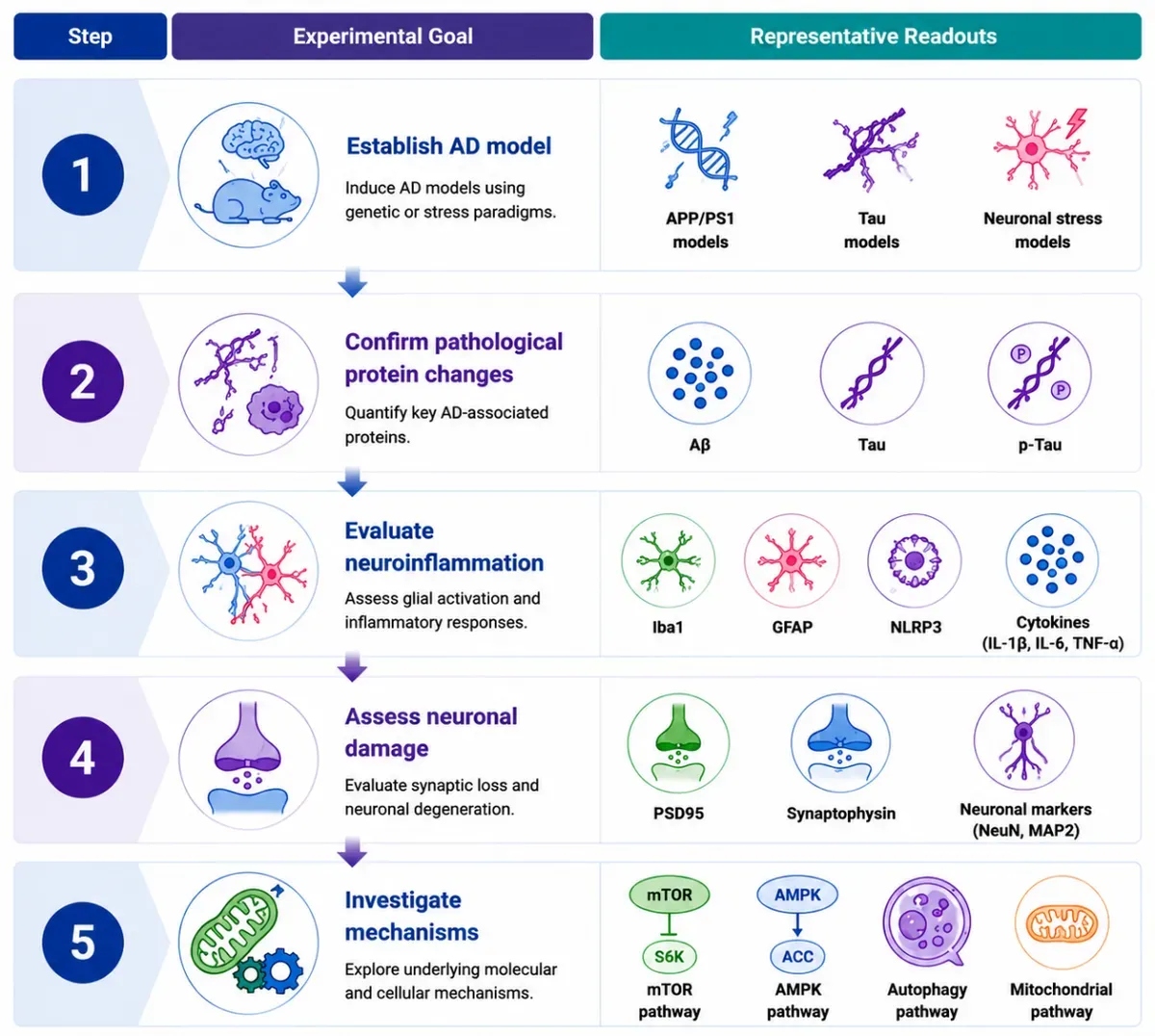
Recommended Experimental Validation Workflow
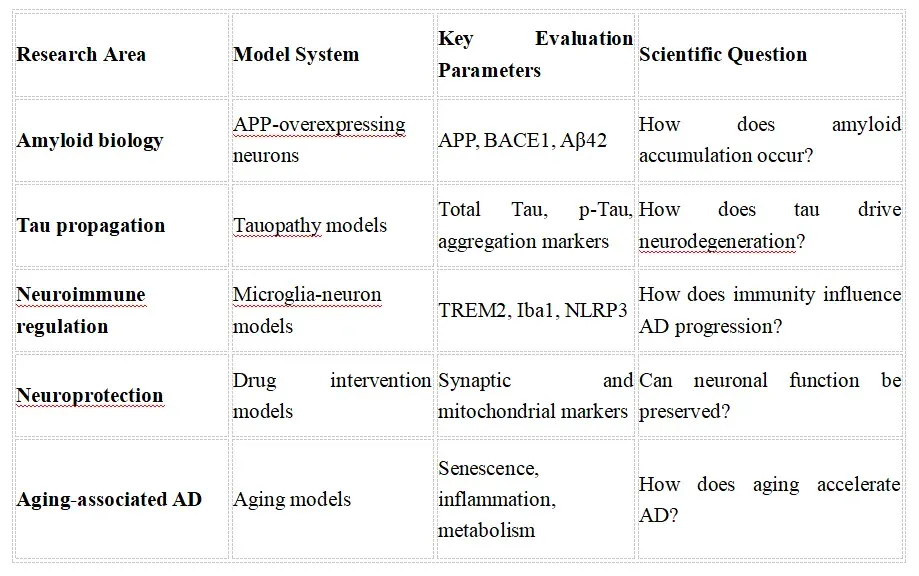
Featured Research Application Examples
Frequently Asked Questions
Q1. Which markers are commonly used to study Alzheimer's disease pathology? Alzheimer's disease research typically focuses on amyloid pathology, tau pathology, and neurodegeneration. Representative markers include APP, BACE1, PSEN1, Aβ42/Aβ40 for amyloid processing; Total Tau, Phospho-Tau (AT8, Thr231, Ser396), GSK-3β for tau pathology; and NeuN, MAP2, Synaptophysin for neuronal integrity. GFAP and Iba1 are widely used to assess astrocyte and microglial activation. Combining Western blot, IF, IHC, and ELISA provides comprehensive pathological evaluation.
Q2. Which signaling pathways are most relevant in Alzheimer's disease research? Multiple signaling pathways contribute to AD progression. Commonly studied pathways include PI3K/AKT/GSK-3β (tau phosphorylation), MAPK (ERK/JNK/p38) (neuronal stress), NF-κB (neuroinflammation), AMPK/mTOR (metabolism and autophagy), and Nrf2 (oxidative stress). Integrated pathway analysis helps reveal disease mechanisms and identify therapeutic targets.
Q3. Which markers are recommended for studying neuroinflammation in Alzheimer's disease? Neuroinflammation is characterized by activation of microglia and astrocytes. Common markers include Iba1, CD68, TREM2, TMEM119 for microglia; GFAP for astrocytes; and IL-1β, IL-6, TNF-α, NLRP3, NF-κB p65 for inflammatory signaling. Multiplex IF, IHC, flow cytometry, and cytokine assays enable comprehensive immune profiling.
Q4.Which markers are commonly used to evaluate autophagy and lysosomal dysfunction? Autophagy impairment is a hallmark of AD. Key markers include LC3B, SQSTM1/p62, Beclin-1, ATG5 for autophagy; LAMP1, LAMP2, Cathepsin D, TFEB for lysosomal function; and AMPK, mTOR, ULK1 as upstream regulators. Combining protein analysis with autophagic flux assays provides robust functional assessment.
Q5. Which experimental approaches are recommended for comprehensive Alzheimer's disease research? A comprehensive AD study integrates protein analysis, spatial profiling, molecular characterization, and functional validation. Common approaches include Western blot, IF, IHC, ELISA, multiplex IF, RNA-seq, single-cell RNA-seq, spatial transcriptomics, together with PET imaging, MRI, and behavioral studies. Combining complementary technologies enables robust biomarker discovery and target validation.
Key References
- Zhang J., et al. (2024). Recent advances in Alzheimer's disease: mechanisms, diagnosis, and therapeutic intervention. Signal Transduction and Targeted Therapy. 9:245.
- Fortea J., Pegueroles J., Alcolea D., et al. (2024). APOE4 homozygosity represents a distinct genetic form of Alzheimer's disease. Nature Medicine. 30.
3.Rudman M.D., et al. (2026). Recent advances in Alzheimer's disease: From molecular mechanisms to therapeutic strategies. Cell. 189(14):4193-4224. 4.Zheng Q., et al. (2025). Alzheimer's disease: insights into pathology, molecular mechanisms, and therapeutic strategies. Molecular Biomedicine. 6. 5.Ivanova A.V., et al. (2025). Alzheimer's Disease: From Molecular Mechanisms to Therapeutic Strategies. International Journal of Molecular Sciences. 26:9444. 6.Baviskar P.S., et al. (2025). Unveiling Alzheimer's disease (1901–2025): Historical insights, global burden, biological mechanisms, diagnostics, and therapeutic strategies. Ageing Research Reviews. 7.Bao J., et al. (2024). Employing informatics strategies in Alzheimer's disease research: A review from genetics, multiomics, and biomarkers to clinical outcomes. Annual Review of Biomedical Data Science. 8.Chaubey K., Vázquez-Rosa E., Tripathi S.J., et al. (2025). Pharmacologic reversal of advanced Alzheimer's disease in mice and identification of potential therapeutic nodes in human brain. Cell Reports Medicine.