
info@mail.ucallm.com
1. Parkinson’s Disease
Parkinson’s disease (PD) is a progressive neurodegenerative disorder characterized primarily by the loss of nigrostriatal dopaminergic neurons and the accumulation of α-synuclein-rich Lewy pathology. Clinically, PD is manifested by motor symptoms such as resting tremor, rigidity, and bradykinesia, accompanied by a broad spectrum of non-motor symptoms.
Beyond dopaminergic neuron loss, PD involves interconnected pathological processes, including α-synuclein aggregation, mitochondrial dysfunction, impaired proteostasis, oxidative stress, neuroinflammation, and synaptic dysfunction. Current therapies primarily provide symptomatic relief, while effective disease-modifying treatments remain limited, highlighting the need to better understand the molecular mechanisms underlying PD progression.
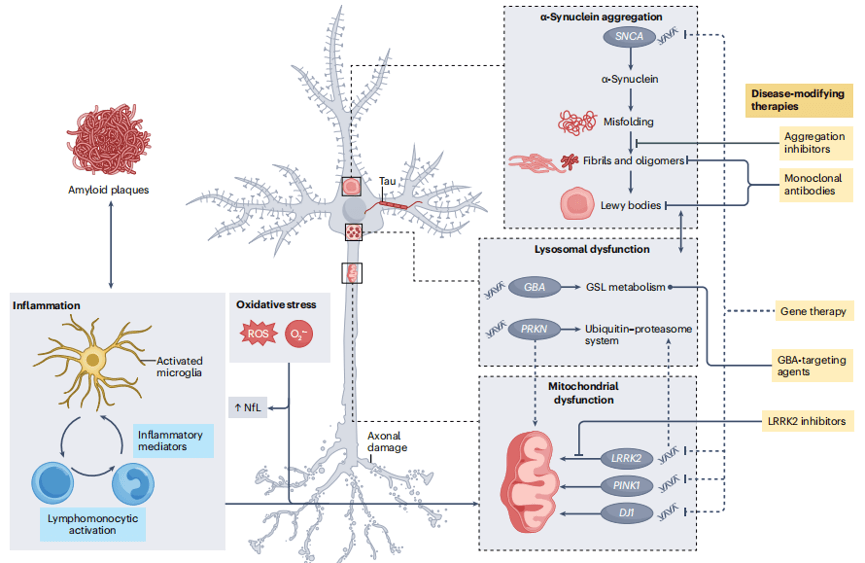
Figure 1: PD Pathogenesis and Therapeutic Strategies (PMID: 39496848).
2. PTMs: A Key Regulatory Layer in PDKey PTMs Implicated in PD
PTMs constitute a dynamic regulatory layer that rapidly modulates protein function, stability, localization, and interactions. In PD, key disease-associated proteins can function as PTM regulators or substrates. Dysregulated PTMs can perturb multiple cellular processes, including mitochondrial function, proteostasis, α-synuclein homeostasis, and neuronal signaling, thereby contributing to neurodegeneration.
PTM dysregulation therefore represents an important molecular link between protein dysfunction and PD pathogenesis, while providing potential opportunities for biomarker discovery and therapeutic intervention.
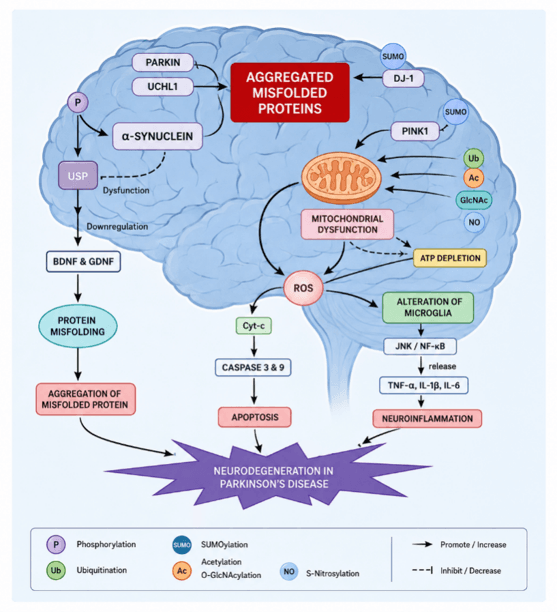
Figure 2. PTM-Mediated Mechanisms in PD (PMID: 38960968)
3.Key PTMs Implicated in PD
Accumulating evidence indicates that dysregulation of multiple PTMs contributes to PD pathogenesis. These PTMs regulate diverse biological processes, including α-synuclein homeostasis, mitochondrial function, proteostasis, and neuronal signaling. Key PTMs, representative target proteins, biological processes, and supporting studies are summarized below.
| PTM Type | Representative Target Proteins | Biological Processes | Journal Article |
| Phosphorylation | α-synuclein, LRRK2, Parkin, PINK1 | α-synuclein pathology; kinase signaling; mitophagy | PMID: 39609631 PMID: 39164116 PMID: 42616775 PMID: 41730916 |
| Ubiquitination | α-synuclein, UPS15, Parkin, PINK1, OTUD5, ACTG1 | Protein degradation; proteostasis; mitophagy | PMID: 41499392 PMID: 39721018 PMID: 41685148 PMID: 38960968 PMID: 38931449 |
| SUMOylation | α-synuclein, Parkin, AMPK, SENP1, Sirt3 | Protein homeostasis; α-synuclein aggregation | PMID: 40597361 PMID: 42553260 PMID: 38960968 PMID: 32670048 |
| O-GlcNAcylation | α-synuclein, NEK7, NLRP3 | α-synuclein aggregation; proteostasis; Inflammation | PMID: 41904146 PMID: 38347213 PMID: 41066511 PMID: 42651138 PMID: 41110100 |
| Acetylation | α-synuclein, Sirt3, ACSS2, OPA1, DRP1 | Protein conformation; aggregation; membrane interaction | PMID: 41570770 PMID: 39976201 PMID:38960968 |
| Nitration | α-synuclein, LRRK2 | Oxidative/nitrative stress; aggregation; neurodegeneration | PMID: 42430493 PMID: 37372040 PMID: 42586065 PMID: 39164116 |
4. Biospecimens and Experimental Models for PTM Research in PD
| Sample | Representative PTMs | Key Experimental Considerations | Journal Article |
| Human Post-mortem Brain | Phosphorylation; Ubiquitination; Acetylation; SUMOylation; O-GlcNAcylation; Tyrosine nitration |
| PMID:39475571 PMID:36690898 |
| Human iPSC-derived Dopaminergic Neurons | Phosphorylation; Ubiquitination; Acetylation; SUMOylation; O-GlcNAcylation |
| PMID: 42430493 PMID: 38897986 |
| Human iPSC-derived Midbrain Organoids | Phosphorylation |
| PMID:34632384 PMID: 36831291 PMID:39223664 |
| Mouse PD Model Brain | Phosphorylation; Acetylation; Ubiquitination; SUMOylation; Tyrosine nitration |
| PMID:39976201 PMID: 39128469 |
| Human Biofluids (CSF/Plasma) | Phosphorylation; Ubiquitination; Tyrosine nitration Note: only targeted detection, unbiased global PTM profiling is rare |
| PMID: 38467937 |
| Primary Neural Cell Culyures (Neurons/Microglia) | Phosphorylation; Ubiquitination; Acetylation; O-GlcNAcylation; SUMOylation |
| PMID: 40578440 |
5. Representative PTM Research Cases in PD
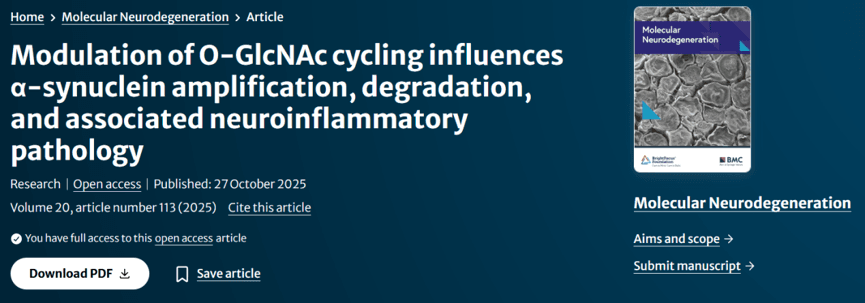
Title: Modulation of O-GlcNAc cycling influences α-synuclein amplification, degradation, and associated neuroinflammatory pathology.
Introduction: PD is characterized by the accumulation and propagation of pathological α-synuclein, which contribute to dopaminergic neuronal degeneration and neuroinflammation. O-GlcNAcylation is a dynamic PTM regulated by OGT and OGA and plays an important role in protein homeostasis and neuronal function. Previous studies have shown that increased O-GlcNAcylation can suppress α-synuclein aggregation and toxicity, suggesting a potential protective role in PD. However, how O-GlcNAc cycling regulates α-synuclein amplification, intercellular propagation, aggregate clearance, and associated neuroinflammation remains unclear.
Biological Questions:
1) How does O-GlcNAc cycling regulate α-synuclein aggregation and amplification?
2) Does O-GlcNAcylation control α-synuclein intercellular propagation and autophagy-lysosome-mediated clearance?
3) How does O-GlcNAc dysregulation contribute to NLRP3-mediated neuroinflammation and dopaminergic neuronal degeneration?
Key Findings:
1) Fibrillar α-synuclein reduces cellular O-GlcNAcylation and OGT protein levels, linking α-synuclein pathology to disrupted O-GlcNAc cycling;
2) Pharmacological or genetic modulation of OGT/OGA alters the recruitment of endogenous α-synuclein to fibrils and regulates the formation of higher molecular weight aggregates;
3) Decreased O-GlcNAcylation promotes α-synuclein aggregation and propagation, leading to dopaminergic innervation loss, α-synuclein transmission, and microglial activation;
Research Strategy:
To investigate how O-GlcNAc cycling regulates α-synuclein pathology, the study combined complementary in vitro and in vivo models with pharmacological and genetic modulation of OGT/OGA. α-synuclein aggregation and propagation, dopaminergic neurodegeneration, microglial inflammation, and behavioral phenotypes were systematically evaluated. Mechanistic analyses further examined α-synuclein O-GlcNAcylation and its impact on aggregate formation and proteolytic clearance through the proteasome and autophagy-lysosome pathways.
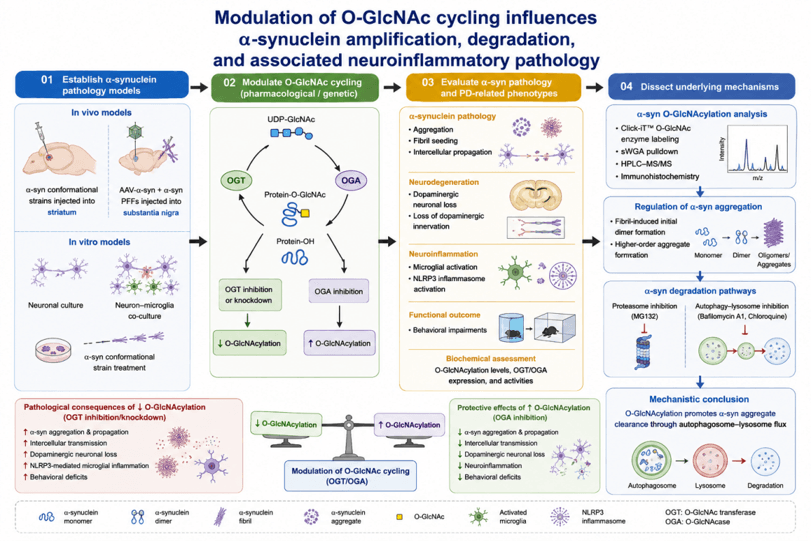
Figure 3. Research Strategy for Elucidating the Role of O-GlcNAcylation in PD
Summary:
These findings establish O-GlcNAc cycling as an important modulator of α-synuclein pathology. Loss of O-GlcNAcylation facilitates α-synuclein aggregation and propagation, while enhancing O-GlcNAcylation promotes autolysosome-mediated aggregate clearance and suppresses downstream neurodegenerative and inflammatory responses. Thus, restoring O-GlcNAc homeostasis may represent a potential strategy for limiting α-synuclein-driven pathology in PD.
6. PTM Research Solutions for PD
| PTM Type | Research Applications | Recommended Research Solutions |
| Phosphorylation |
|
|
| Ubiquitination |
|
|
| SUMOylation |
|
|
| Acetylation |
|
|
| O-GlcNAcylation |
|
|
| Nitration |
|
|
7. Key References
1) Stocchi F, Bravi D, Emmi A, Antonini A. Parkinson disease therapy: current strategies and future research priorities. Nat Rev Neurol. 2024;20(12):695-707.
2) Mishra T, Singh S, Singh TG. Therapeutic Implications and Regulations of Protein Post-translational Modifications in Parkinsons Disease. Cell Mol Neurobiol. 2024;44(1):53.
3) Miao Y, Zhang T, Ma Z, et al. Modulation of O-GlcNAc cycling influences α-synuclein amplification, degradation, and associated neuroinflammatory pathology. Mol Neurodegener. 2025;20(1):113.