
info@mail.ucallm.com
1. What is Aging
Aging is a progressive biological process characterized by the gradual decline of cellular and tissue homeostasis, leading to reduced physiological resilience and increased susceptibility to age-related diseases, such as neurodegenerative conditions, metabolic syndromes, and cancers. Rather than arising from a single mechanism, aging reflects the cumulative effects of interconnected molecular and cellular alterations, including genomic instability, telomere attrition, epigenetic alterations, loss of proteostasis, disabled macroautophagy, deregulated nutrient-sensing, mitochondrial dysfunction, cellular senescence, stem cell, altered intercellular communication, chronic inflammation and dysbiosis. Together, these progresses progressively reshape cellular function and contribute to functional decline across tissues and organs.
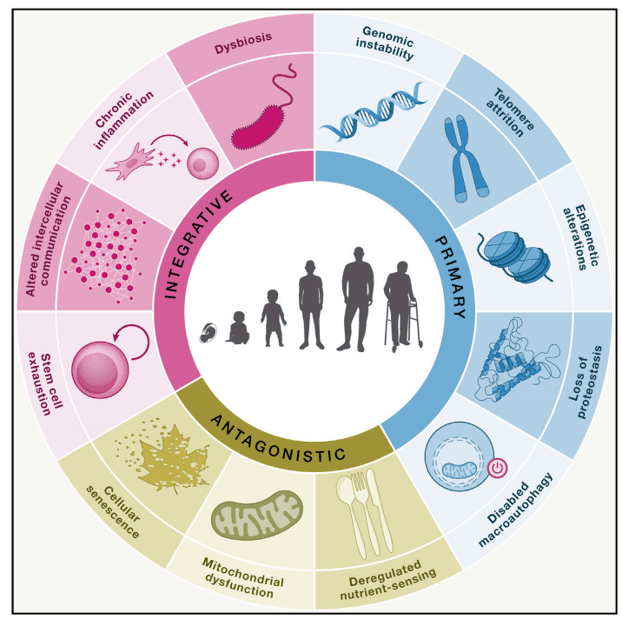
Figure 1. The hallmarks of aging (PMID: 36599349)
2. Why Do PTMs Matter in Aging?
Aging is accompanied not only by changes in protein expression, but also by alterations in PTMs and turnover. PTMs can arise through regulated enzymatic processes, such as phosphorylation, acetylation, and ubiquitination, or through non-enzymatic reactions driven by metabolites and reactive species, including glycation, oxidation, and carbonylation.
With age changes in PTM-regulating enzymes and increasing metabolic or oxidative stress can alter protein modification abundance, while declining proteasomal and lysosomal clearance allows damaged or aberrantly modified proteins to accumulate. These changes can affect protein activity, stability, folding, aggregation, and degradation, thereby contributing to the progressive loss of proteome homeostasis that characterizes aging.
PTMs analysis therefore offers an important approach to investigating age-associated changes in protein regulation, stability, and degradation, as well as the accumulation of damaged proteins during aging.
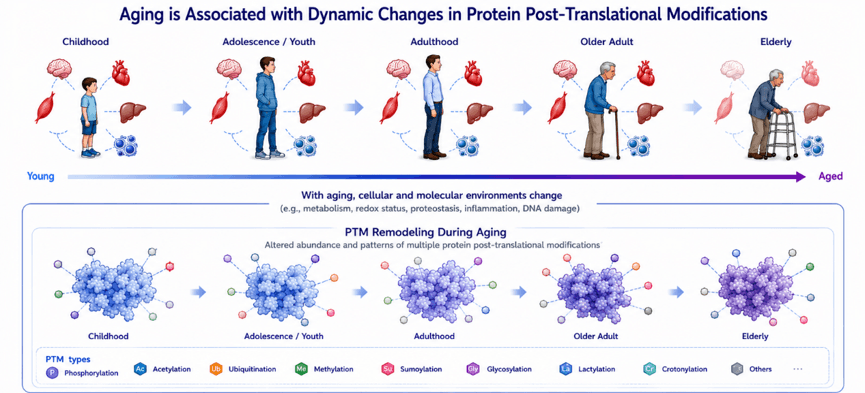
Figure 2. Aging-associated PTMs remodeling.
3. PTM Across Key Areas of Aging Research
During aging, changes in cellular metabolism and stress responses alter the availability of PTM-related metabolites and activity of PTM-regulating enzymes, leading to widespread changes in protein modification patterns. These PTM changes can alter protein activity, stability, localization, and interactions, thereby disrupting cellular homeostasis and contributing to age-related functional decline.
Accordingly, PTM research in aging has expanded across several key biological areas, focusing on how age-associated changes in protein regulation contribute to cellular dysfunction and functional decline.
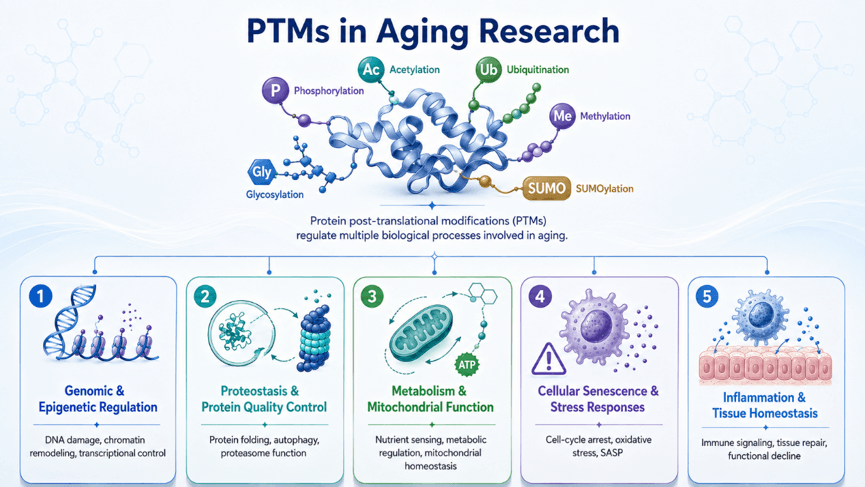
Figure 3. PTMs across key areas of aging research.
The table below summarizes representative research directions in aging and highlights the major PTMs involved in each area.
| Research Area | Representative PTMs | Biological Process | Representative Targets | Journal Article |
| Genomic & Epigenetic Regulation | Histone acetylation; Histone methylation; Ubiquitination; | Chromatin remodeling; Transcriptional regulation; DNA damage response; | SIRT6, H3K9ac; HDAC3, H4K77ac; SOX5, HMGB2, H3K27ac, H3K4me; TRIM41, cGAS, | PMID:27518561 PMID:40419771 PMID:37832549 PMID:42135312 PMID:41066557 |
| Proteostasis | Ubiquitination; UFMylation | Protein turnover; Protein degradation; Proteasome activity; Protein aggregation | UPS, Proteasome; UBE2D; UFM1 pathway; IFB-2, EPS-8 | PMID:30733602 PMID:40480969 PMID:42056101 PMID:34321666 |
| Metabolism | Acetylation; Succinylation | Mitochondrial energy metabolism; One-carbon Metabolism; Acetate/acetyl-CoA metabolism; Metabolic enzyme regulation | SIRT6, MATα1; CBS, ACSS1, SIRT5, SDHA, ECHA, TBK1 | PMID:33353981 PMID:41218122 PMID:40263264 PMID:38758779 PMID:39543710 PMID:40087407 |
| Cellular Senescence | Acetylation; Ubiquitination; Phosphorylation | Cell-cylce arrest; SASP regulation; Stress response; Senescent-cell immune surveillance | ACSS2, PAICS, SIRT7, NUCKS1, P16, CDK4/6, PD-L1, eIF2α, ATF4 | PMID:33328614 PMID:40021646 PMID:40513569 PMID:39103548 PMID:39481386 |
| Inflammation | Acetylation; Lactylation; β-Hydroxybutyrylation; O-GlcNAcylation | Inflammaging; Innate immune signaling; Antiviral immunity; Macrophage activate | SIRT2, NLRP3, cGAS, STAT1, NF-κB, ACLY | PMID:40814109 PMID:32032542 PMID:40220296 PMID:39979583 PMID:39251781 PMID:37697347 |
4. Representative PTM Research Cases in Aging
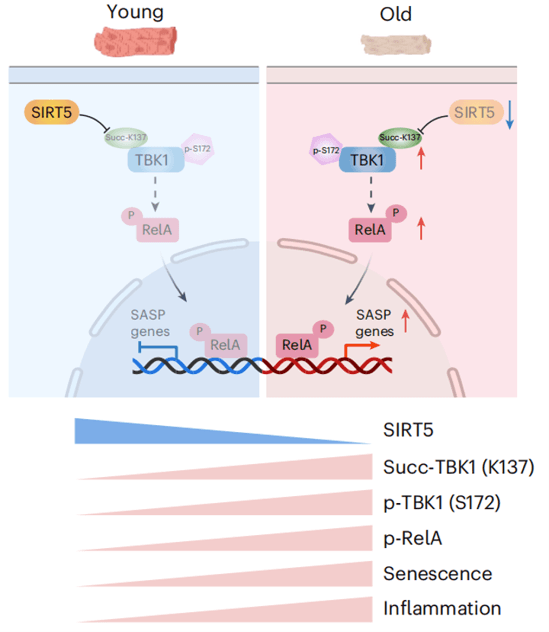
Figure 4. Schematic summary of SIRT5-mediated TBK1 desuccinylation in skeletal muscle. (PMID: 40087407)
Title: SIRT5 safeguards against primate skeletal muscle ageing via desuccinylation of TBK1.
Introduction: Skeletal muscle aging is characterized by a progressive loss of muscle mass and function, contributing to sarcopenia and age-related metabolic dysfunction. As a major metabolic organ, skeletal muscle undergoes profound metabolic remodeling during aging, which may reshape PTMs by altering metabolite availability and cellular metabolic state. However, whether and how PTM dysregulation contributes to skeletal muscle aging remains poorly understood.
Biological Questions:
1) What molecular and metabolic alterations are associated with skeletal muscle aging?
2) Is altered protein acylation involved in the regulation of skeletal muscle senescence and inflammation?
3) What PTM-dependent mechanism links age-associated metabolic changes to skeletal muscle dysfunction, and can this pathway by therapeutically targeted?
Key Findings:
1) SIRT5, a key protein desuccinylase, was markedly downregulated in aged non-human-primate skeletal muscle.
2) SIRT5 depletion in human myotubes accelerated cellular senescence and enhanced inflammatory responses associated with skeletal muscle ageing.
3) TBK1 was identified as a direct SIRT5 substrate, and SIRT5-mediated desuccinylation of TBK1 at K137 promoted TBK1 dephophorylation and suppressed downstream inflammatory pathway.
4) SIRT5 gene delivery alleviated age-related skeletal muscle dysfunction and improved physical performance in aged male mice.
Research Strategy:
To uncover mechanisms underlying skeletal muscle aging, the authors first characterized age-associated phenotypic and molecular changes in skeletal muscles from young and old cynomolgus monkeys and identified enhanced inflammatory signaling and reduced SIRT5 expression. The functional role of SIRT5 was subsequently examined in human myotubes, followed by Co-IP and mass spectrometry to identify its downstream substrates. Mechanistic studies established TBK1 K137 as a SIRT5-regulated succinylation site and revealed its crosstalk with TBK1 phosphorylation and downstream inflammatory signaling. Finally, genetic intervention in aged mice was used to evaluate the therapeutic potential of the SIRT5-TBK1 axis.
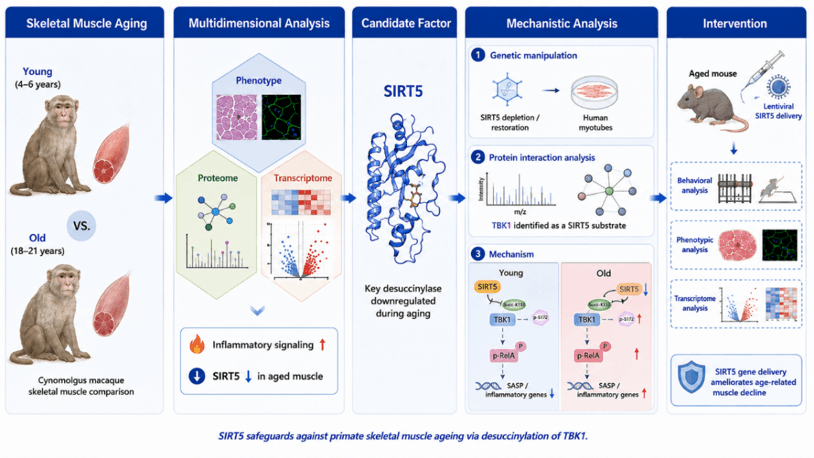
Figure 5: Research strategy and mechanistic model of SIRT5-mediated protection against skeletal muscle aging.
Summary:
This study defines a SIRT5–TBK1 regulatory axis in skeletal muscle aging. Loss of SIRT5 increases TBK1 K137 succinylation, which promotes TBK1 S172 phosphorylation and enhances downstream inflammatory signaling and cellular senescence. Restoring SIRT5 alleviates age-related muscle dysfunction, supporting its potential as a therapeutic target.
5. PTM Research Solutions for Aging
PTM Type | Research Applications | Recommended Research Solutions |
Phosphorylation | Genomic & Epigenetic Regulation; Cellular Senescence; Inflammation; Metabolism | l Phospho-specific antibodies l Pan-phosphorylation antibodies l Total target protein antibodies (H2AX, TBK1, RelA, STAT1) l Phosphorylation enrichment reagents l Signaling pathway analysis tools |
Ubiquitination | Proteostasis; Cellular Senescence; Inflammation | l Pan-Ubiquitin antibodies l K-ε-GG enrichment reagents l Target protein antibodies (UFM1, PD-L1, cGAS) |
Acetylation | Genomic & Epigenetic Regulation; Metabolism; Cellular Senescence | l Pan-Acetyllysine antibodies l Acetylation enrichment reagents l Histone modification antibodies l Target protein antibodies (SIRT6, SIRT7, NUCKS1) |
Methylation | Genomic & Epigenetic Regulation; Cellular Senescence | l Pan-methyllysine antibodies l Site-specific methylation antibodies l Histone methylation antibodies |
Succinylation | Metabolism; Cellular Senescence; Inflammation | l Pan-Succinylation antibodies l Succinylation enrichment products l Target protein antibodies (SIRT5, TBK1) |
O-GlcNAcylation | Metabolism; Proteostasis; Cellular Senescence; Inflammation | l Glycosylation antibodies l Target protein antibodies (STAT1, STAT3) |
β-Hydroxybutyrylation | Metabolism; Inflammation | l Pan-β-Hydroxybutyrylation antibodies l β-Hydroxybutyrylation enrichment reagents l Target protein antibodies (STAT1, Histone) |
Lactylation | Metabolism; Cellular Senescence; Inflammation | l Pan-Lactylation antibodies l Lactylation enrichment products l Target protein antibodies (ACLY, NF-κB/RelA) |
6. Key References
1) López-Otín C, Blasco MA, Partridge L, Serrano M, Kroemer G. Hallmarks of aging: An expanding universe. Cell. 2023;186(2):243-278.
2) Zhao Q, Jing Y, Jiang X, et al. SIRT5 safeguards against primate skeletal muscle ageing via desuccinylation of TBK1. Nat Metab. 2025;7(3):556-573.
3) Santos AL, Lindner AB. Protein Posttranslational Modifications: Roles in Aging and Age-Related Disease. Oxid Med Cell Longev. 2017;2017:5716409.
4) Nagar R, Schwartz Z, Katz A, et al. SIRT6 overexpression counteracts chromatin aging in the male murine liver. Nat Commun. 2026;17(1):6449.