
info@mail.ucallm.com
Comprehensive ferroptosis research requires integrated analysis of iron metabolism, phospholipid remodeling, antioxidant defense systems, mitochondrial function, and immune regulation to elucidate ferroptotic mechanisms and identify therapeutic vulnerabilities across cancer, neurodegeneration, and inflammatory diseases. We provide a comprehensive research platform — from ferroptosis regulatory targets to functional cell death assays — enabling precise investigation of ferroptotic mechanisms.
Key Target Highlights
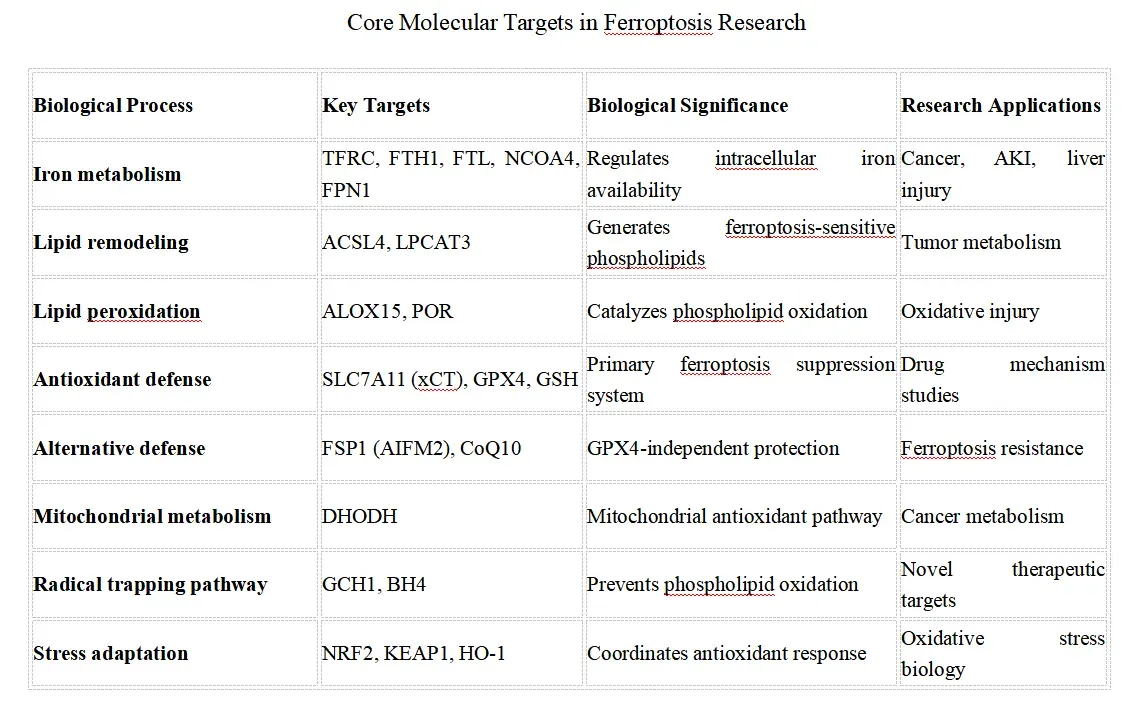
Key research trend:
Modern ferroptosis research is rapidly evolving from the classical System Xc⁻–GSH–GPX4 model toward an integrated regulatory network encompassing iron homeostasis, phospholipid remodeling, mitochondrial metabolism, alternative antioxidant systems (FSP1–CoQ10, DHODH, GCH1–BH4), immune regulation, and spatial multi-omics. Recent consensus guidelines further emphasize standardized experimental validation and reproducibility, while emerging therapeutic strategies increasingly exploit ferroptosis vulnerabilities in cancer, neurodegeneration, and inflammatory diseases. ##Recommended Ferroptosis Marker Strategy 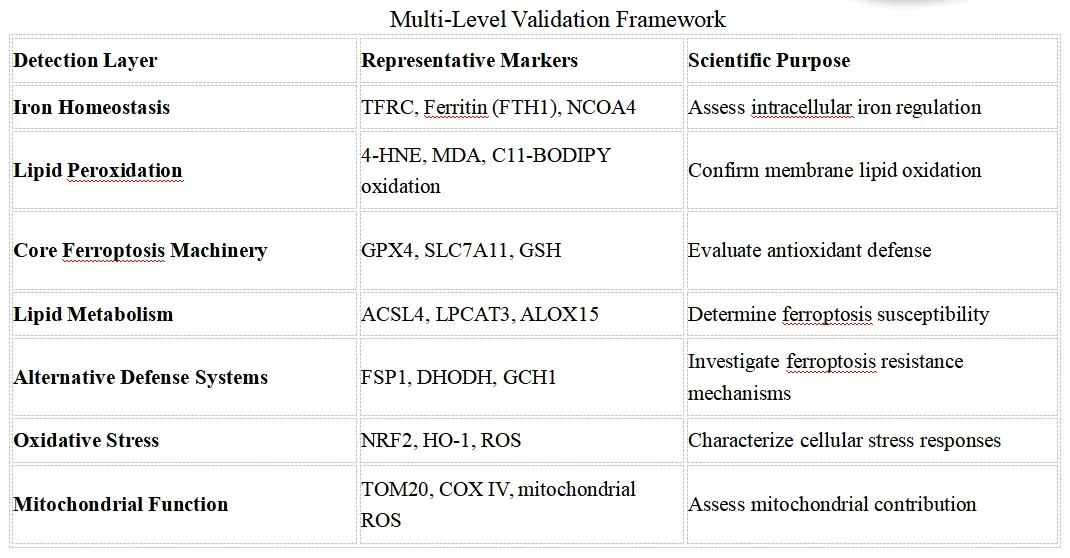
Core Ferroptosis Validation Strategy
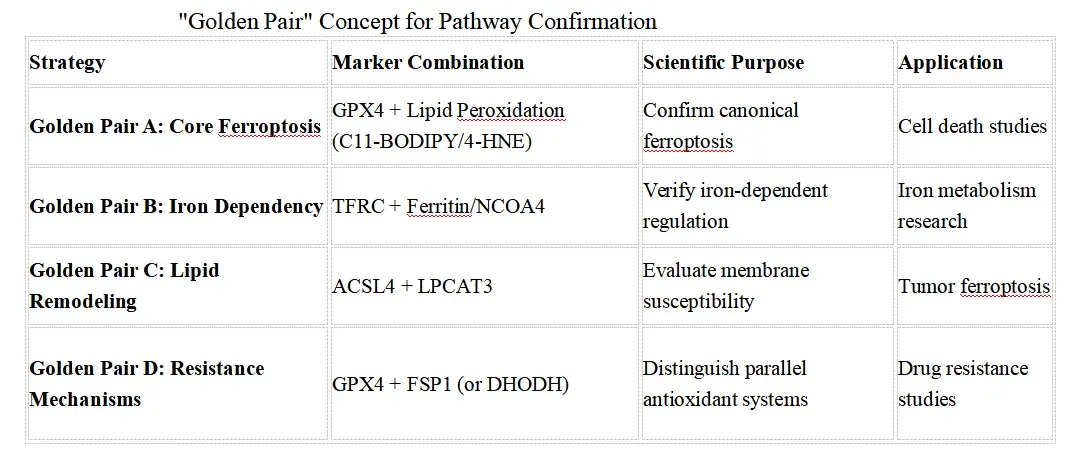
Competitive Technology Landscape
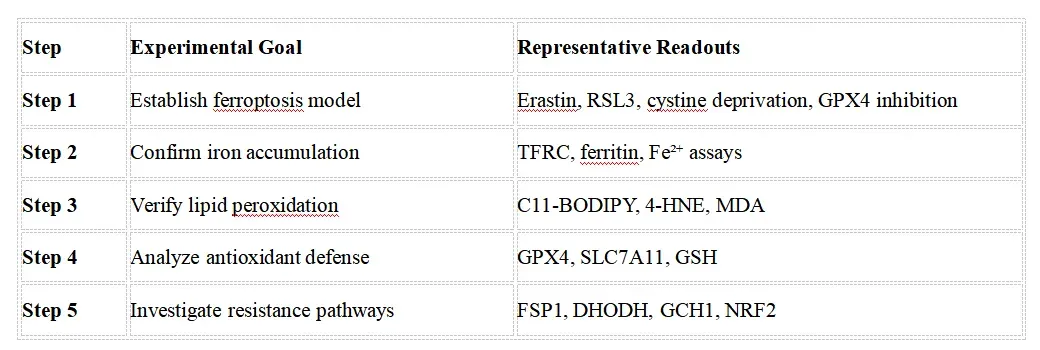
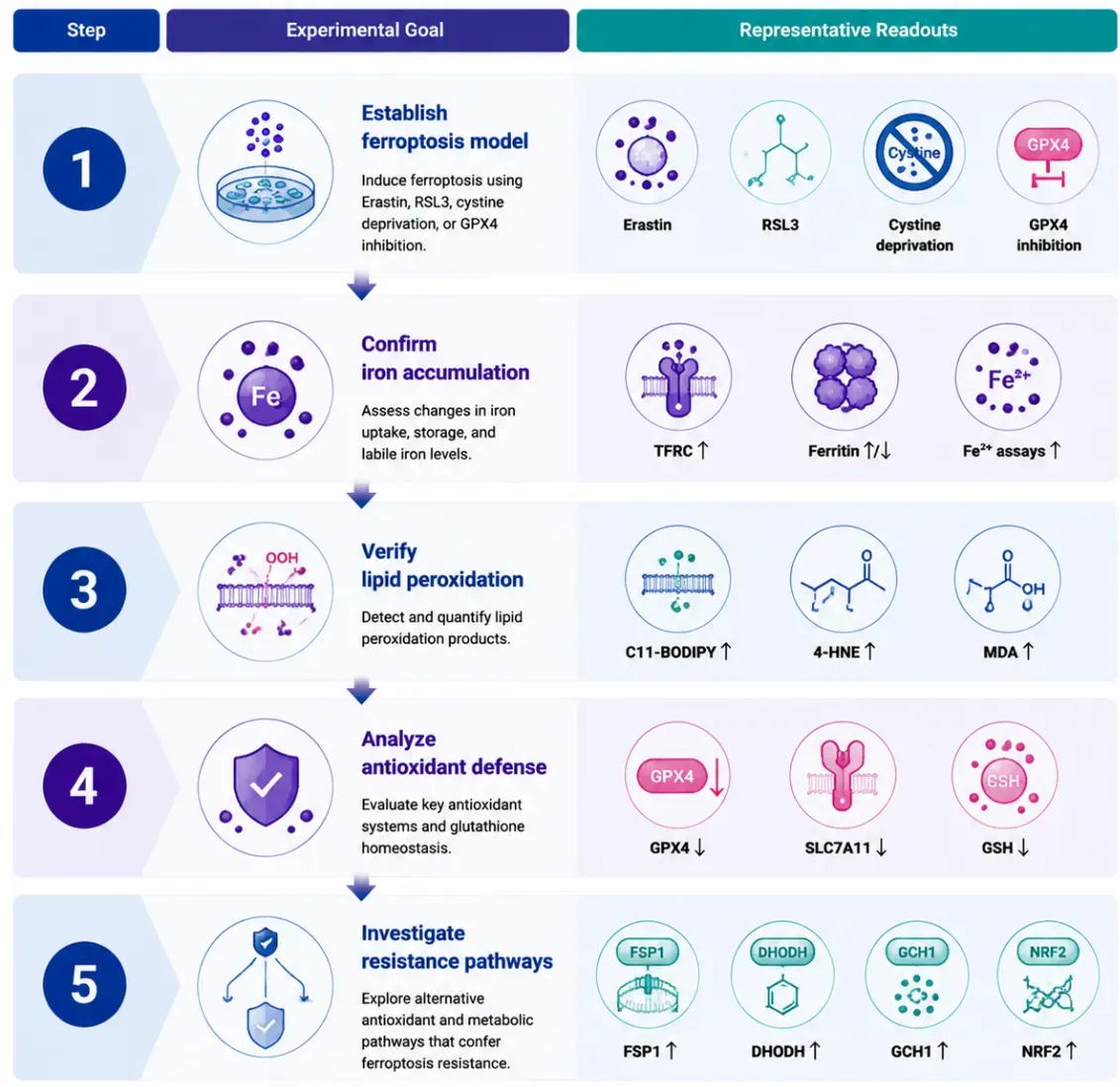
Ferroptosis Research Workflow 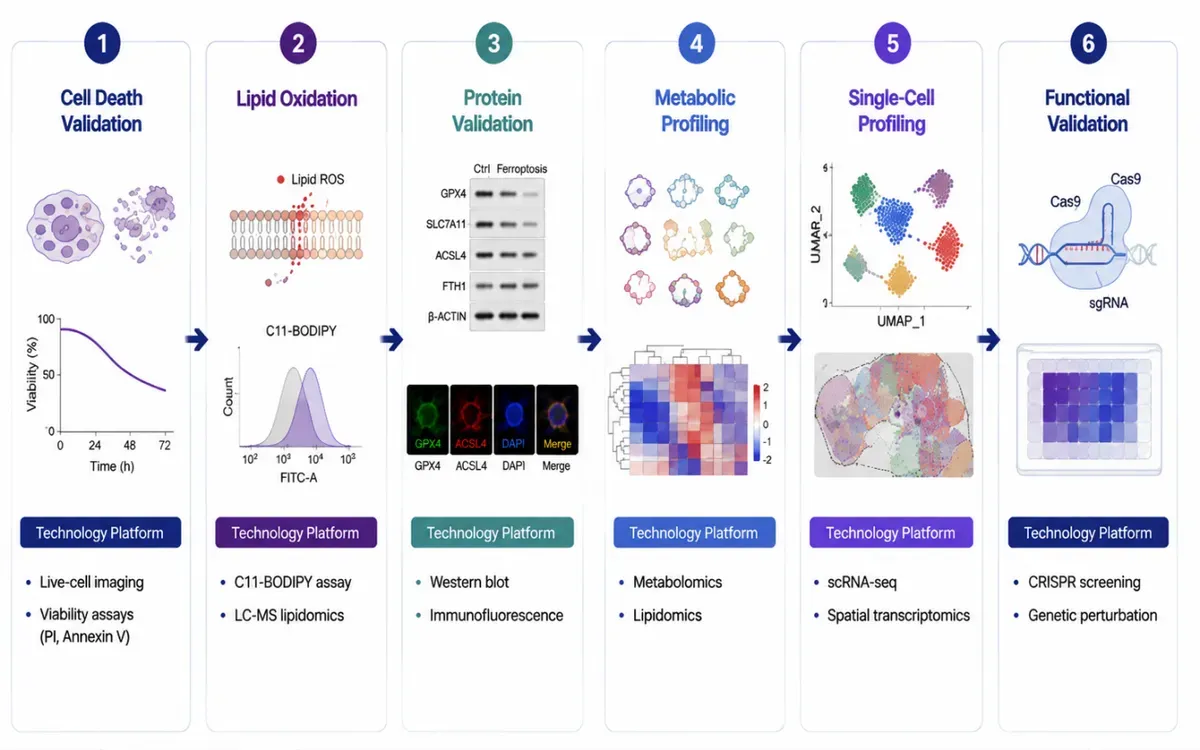 Ferroptosis research requires a multi-dimensional validation strategy integrating cell death assessment, lipid peroxidation detection, molecular pathway analysis, metabolic profiling, and functional screening. A comprehensive workflow enables researchers to accurately define ferroptotic mechanisms, identify regulatory networks, and discover potential therapeutic targets.
Pathway Overview
Ferroptosis is an iron-dependent regulated cell death pathway characterized by iron accumulation, lipid peroxidation, and failure of antioxidant defense systems. Key regulators include the GPX4–glutathione axis, system Xc⁻, ACSL4, iron metabolism pathways, and lipid remodeling enzymes. Ferroptosis research provides new insights into cancer therapy, neurodegeneration, immunity, and metabolic diseases. 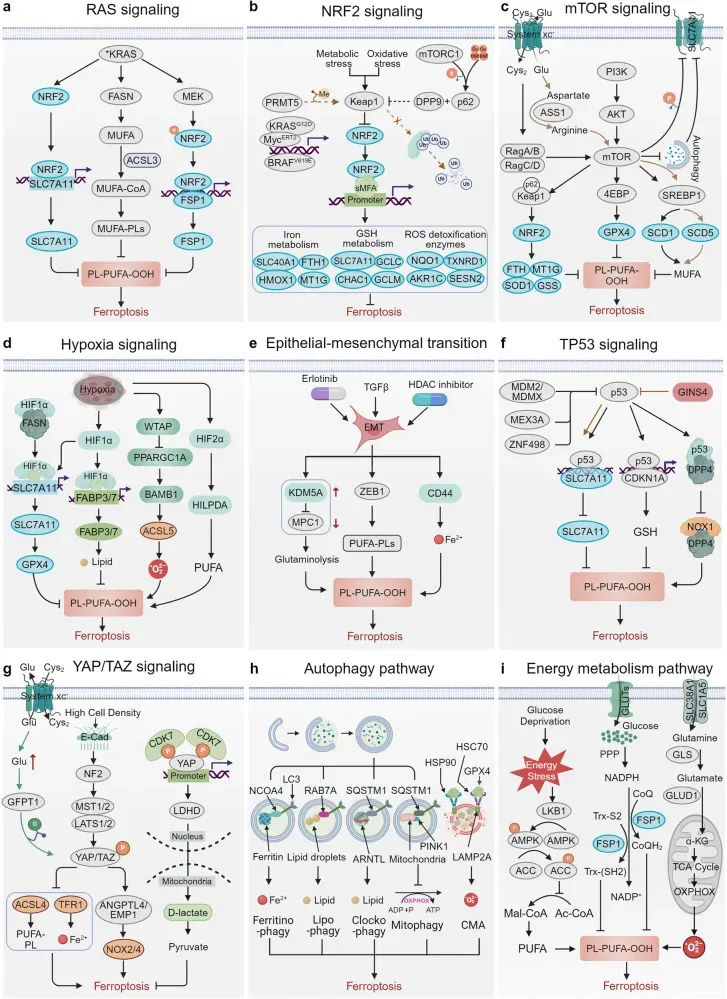 Cancer-related pathways in ferroptosis. (PMID: 38453898)
Recommended Experimental Validation Workflow
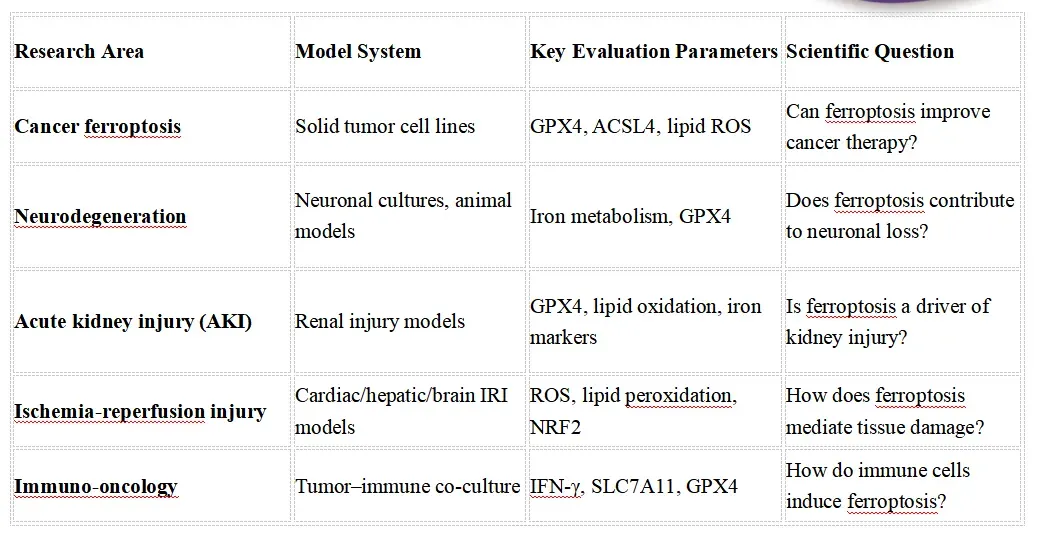
Featured Research Application Examples
 Frequently Asked Questions Q1. Which markers are recommended to confirm ferroptosis activation? Ferroptosis validation requires multiple complementary markers because no single biomarker is sufficient. Common ferroptosis markers include GPX4 and SLC7A11/xCT for antioxidant defense, ACSL4 for lipid remodeling and ferroptosis sensitivity, FTH1/FTL and TFRC for iron metabolism, and 4-HNE/MDA or lipid ROS detection for lipid peroxidation. Reliable studies should combine molecular marker analysis with functional validation using ferroptosis inhibitors such as Ferrostatin-1 or Liproxstatin-1.
Q2. How can ferroptosis be distinguished from other forms of regulated cell death? Ferroptosis is characterized by iron-dependent lipid peroxidation rather than caspase activation or membrane rupture. Researchers should combine ferroptosis markers (GPX4, SLC7A11, ACSL4, lipid ROS) with exclusion markers for other pathways, such as cleaved Caspase-3/PARP for apoptosis and RIPK1/RIPK3/MLKL for necroptosis. Pharmacological rescue experiments provide additional confirmation of ferroptosis specificity.
Q3.What are the major signaling pathways involved in ferroptosis regulation? Key ferroptosis regulatory networks include the SLC7A11–GSH–GPX4 axis, which controls lipid peroxide detoxification; iron metabolism pathways involving TFRC, FTH1, FTL, and NCOA4-mediated ferritinophagy; and lipid metabolism pathways regulated by ACSL4 and LPCAT3. Stress-responsive pathways such as NRF2, p53, AMPK, and mTOR further regulate ferroptosis sensitivity.
Q4.What are the common challenges in ferroptosis research? Major challenges include overinterpreting ROS accumulation, relying on a single marker, and failing to distinguish ferroptosis from other cell death mechanisms. Best practices include using multiple biomarkers, appropriate positive controls (e.g., Erastin, RSL3), ferroptosis inhibitors, and genetic approaches targeting key regulators such as GPX4, SLC7A11, or ACSL4.
Q5.How can ferroptosis research contribute to disease mechanism and therapeutic discovery? Ferroptosis plays important roles in cancer, immunity, neurodegeneration, aging, and metabolic diseases. Integrating ferroptosis marker analysis with multi-omics, lipidomics, and functional assays enables identification of disease-associated mechanisms, therapeutic targets, and potential precision medicine strategies.
Key References
- Jiang X., Stockwell B.R., Conrad M. (2021). Ferroptosis: mechanisms, biology and role in disease. Nature Reviews Molecular Cell Biology. 22:266–282.
- Tang D., Chen X., Kang R., Kroemer G. (2021). Ferroptosis: molecular mechanisms and health implications. Cell Research. 31:107–125.
- Stockwell B.R. (2022). Ferroptosis turns 10: Emerging mechanisms, physiological functions, and therapeutic applications. Cell. 185:2401–2421.
- Bersuker K., Hendricks J.M., Li Z., et al. (2019). The CoQ oxidoreductase FSP1 acts parallel to GPX4 to inhibit ferroptosis. Nature. 575:688–692.
- Doll S., Freitas F.P., Shah R., et al. (2019). FSP1 is a glutathione-independent ferroptosis suppressor. Nature. 575:693–698.
- Jiang L., Kon N., Li T., et al. (2015). Ferroptosis as a p53-mediated activity during tumour suppression. Nature. 520:57–62.
- Dixon S.J., Lemberg K.M., Lamprecht M.R., et al. (2012). Ferroptosis: an iron-dependent form of nonapoptotic cell death. Cell. 149:1060–1072.
- Gao M., Monian P., Quadri N., et al. (2015). Glutaminolysis and transferrin regulate ferroptosis. Molecular Cell. 59:298–308.