
info@mail.ucallm.com
Insulin signaling regulates glucose metabolism, energy homeostasis, and cellular growth through pathways including PI3K–AKT–mTOR and MAPK signaling. Its dysregulation contributes to metabolic disorders, aging, cancer, and neurodegenerative diseases.
We provide an integrated research platform — from insulin pathway targets to functional metabolic assays — supporting mechanistic studies of insulin resistance and metabolic regulation.
Key Target Highlights
Core Molecular Targets in Insulin Signaling Research
Biological Process | Key Targets | Biological Significance | Research Applications |
Insulin receptor activation | INSR, IRβ, IRS1, IRS2 | Initiates insulin signal transduction | Insulin sensitivity studies |
PI3K–AKT signaling | PI3K, AKT, PDK1, PIP3 | Major metabolic signaling axis | Glucose metabolism research |
Glucose transport | GLUT4, AS160/TBC1D4 | Controls insulin-stimulated glucose uptake | Skeletal muscle/adipose studies |
mTOR regulation | mTORC1, S6K, 4E-BP1 | Links insulin signaling with growth and protein synthesis | Nutrient sensing research |
FOXO pathway | FOXO1, FOXO3 | Regulates gluconeogenesis and stress responses | Metabolic aging studies |
Glycogen metabolism | GSK3β, glycogen synthase | Controls glucose storage | Liver metabolism research |
Lipid metabolism | SREBP1, ACC, FASN | Regulates insulin-associated lipid synthesis | Metabolic disease studies |
Inflammatory regulation | JNK, NF-κB, TNF-α | Mediates inflammation-associated insulin resistance | Metabolic inflammation studies |
Energy sensing | AMPK, LKB1 | Counter-regulates insulin signaling during energy stress | Exercise and aging research |
Key research trend:
Modern insulin signaling research is increasingly moving beyond the classical INSR–IRS–PI3K–AKT pathway toward integrated metabolic network analysis, combining nutrient sensing, inflammation, mitochondrial function, tissue-specific regulation, and aging-associated signaling to understand insulin resistance, metabolic disorders, and therapeutic opportunities.
Recommended Insulin Signaling Marker Strategy
Multi-Level Validation Framework
Detection Layer | Representative Markers | Scientific Purpose |
Receptor Activation | INSR, phospho-INSR | Evaluate insulin recognition and activation |
Signal Transmission | IRS1/2, phospho-IRS1 | Assess proximal signaling defects |
PI3K–AKT Activation | PI3K, phospho-AKT (Ser473/Thr308) | Determine metabolic signaling activity |
Glucose Transport | GLUT4, AS160/TBC1D4 | Evaluate glucose uptake regulation |
mTOR Axis | mTOR, phospho-S6K, phospho-4E-BP1 | Analyze anabolic signaling |
FOXO Regulation | FOXO1, phospho-FOXO1 | Monitor glucose production control |
Inflammatory Stress | JNK, NF-κB, cytokines | Investigate insulin resistance mechanisms |
Energy Metabolism | AMPK, PGC-1α | Analyze metabolic adaptation |
Core Insulin Signaling Validation Strategy
“Golden Pair” Concept for Pathway Confirmation
Strategy | Marker Combination | Scientific Purpose | Application |
Golden Pair A: Insulin Signal Activation | INSR + phospho-AKT | Confirm insulin pathway activation | Cellular insulin response models |
Golden Pair B: Glucose Uptake Regulation | GLUT4 + phospho-AS160 | Evaluate insulin-mediated glucose transport | Muscle/adipocyte metabolism studies |
Golden Pair C: Insulin Resistance Assessment | IRS1 + JNK/NF-κB | Identify inflammatory signaling defects | Metabolic disease models |
Golden Pair D: Nutrient Growth Regulation | AKT + mTOR/S6K | Connect insulin signaling with anabolic metabolism | Aging and metabolic studies |
Competitive Technology Landscape
Insulin Signaling Research Workflow
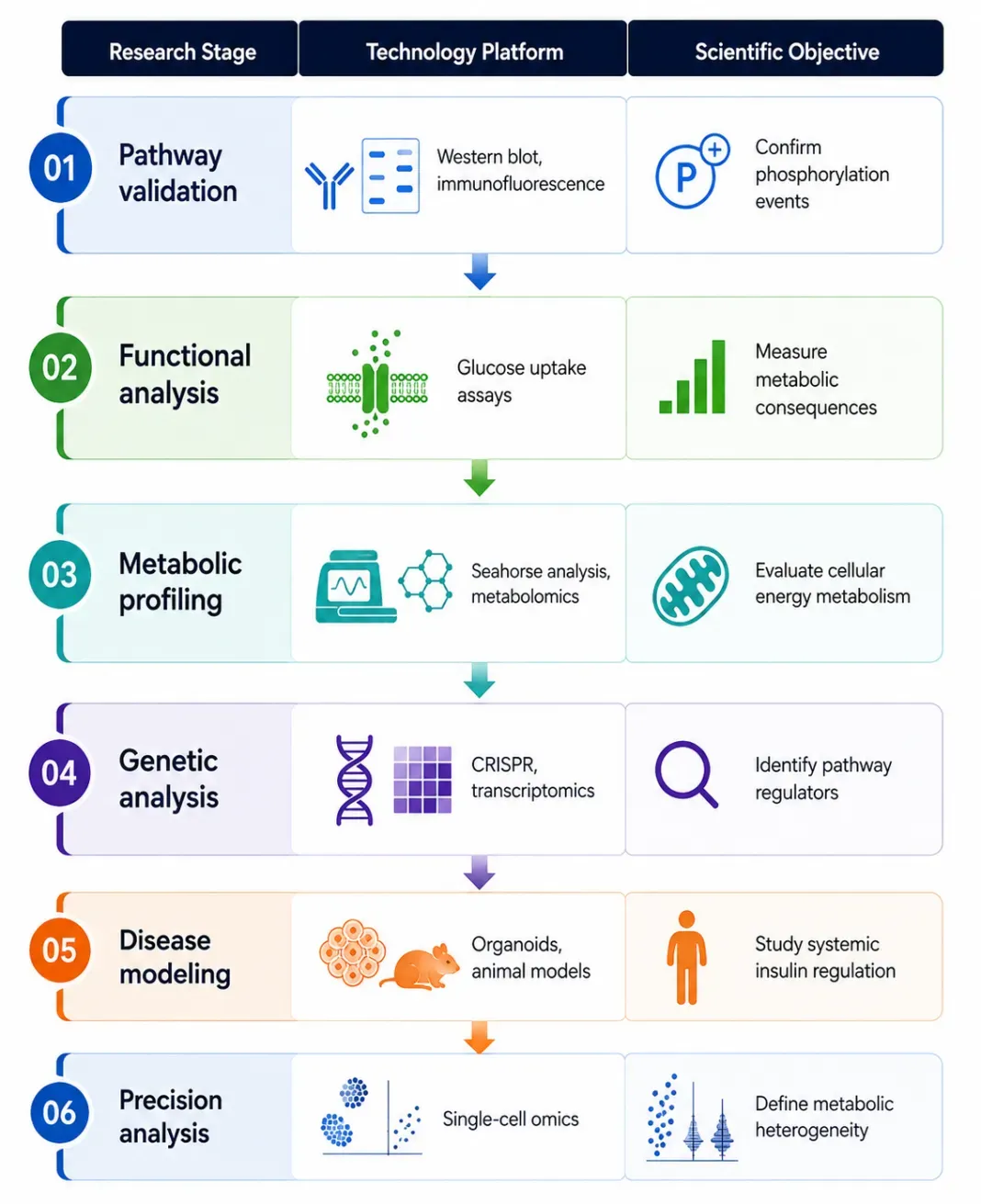
An integrated insulin signaling research workflow combining pathway validation, functional assays, metabolic profiling, genetic analysis, disease modeling, and single-cell technologies to comprehensively define signaling mechanisms and metabolic regulation.
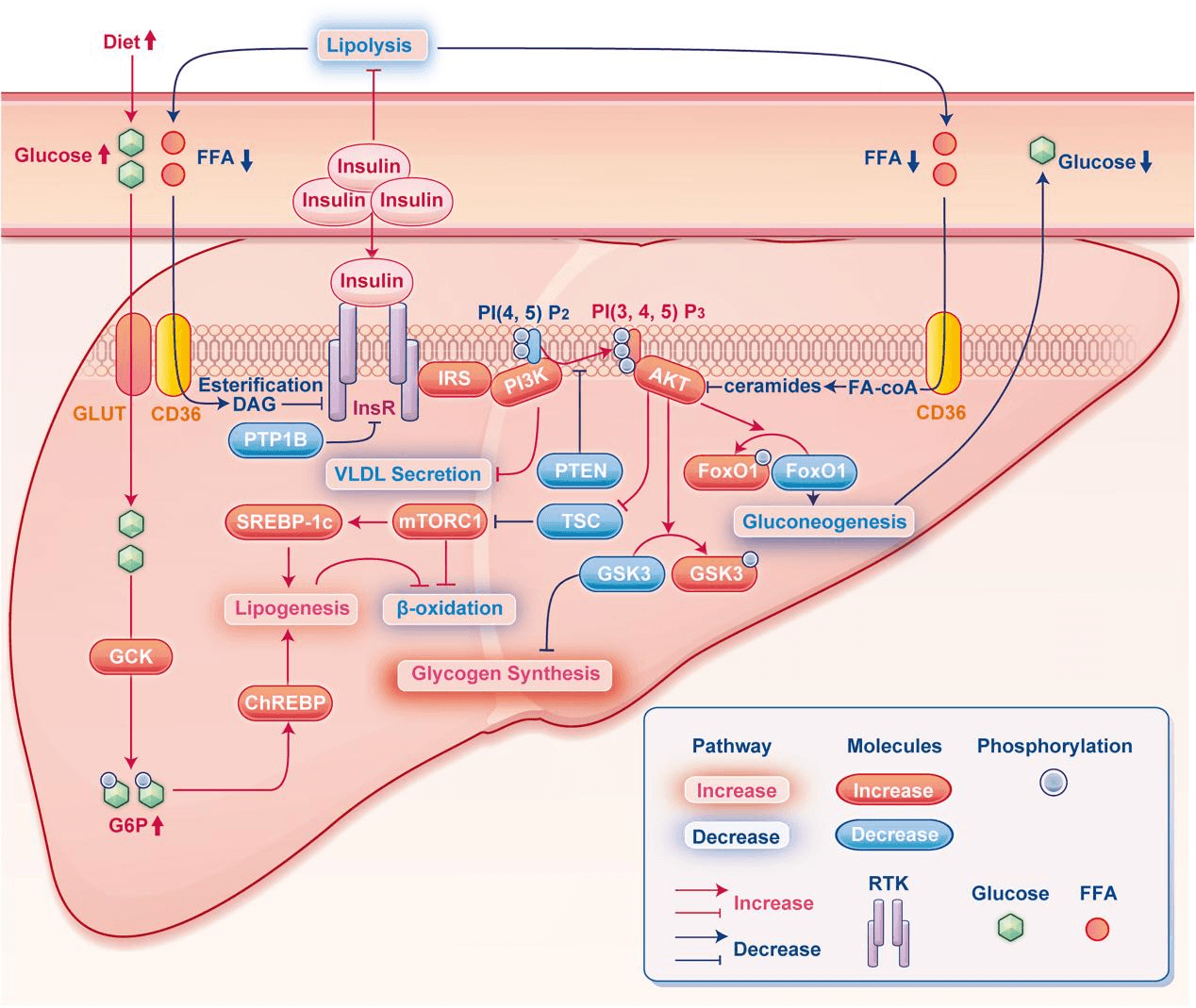
Pathway Overview
Insulin signaling is a central metabolic pathway controlling glucose uptake, lipid metabolism, protein synthesis, and cellular growth. Activation of the insulin receptor–IRS–PI3K–AKT–mTOR and MAPK pathways regulates metabolic homeostasis and cell survival. Dysregulation of insulin signaling contributes to insulin resistance, diabetes, aging-related disorders, cancer, and neurodegenerative diseases.
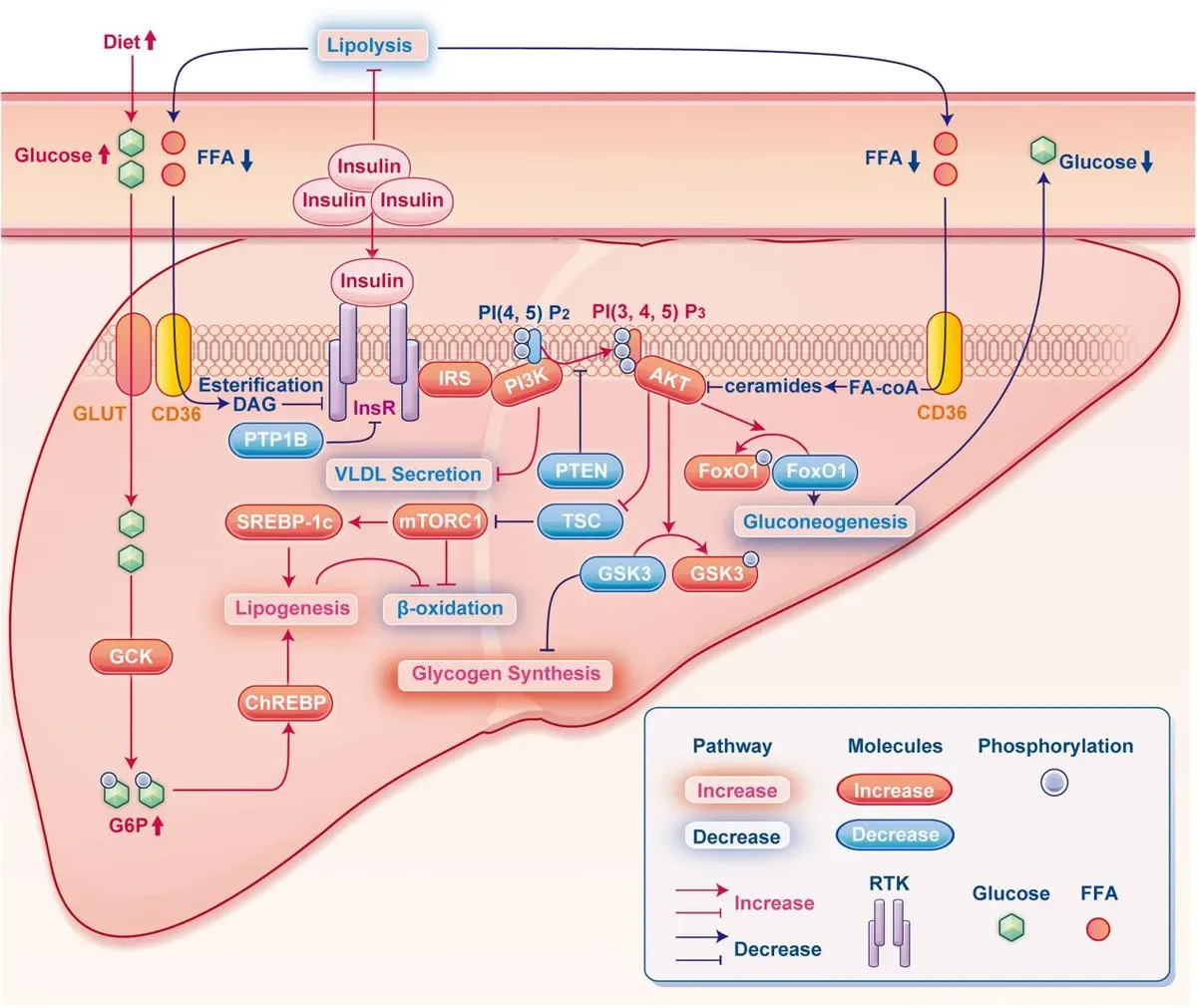
Overview of the main pathways of insulin signaling in regulating hepatic glucose and lipid metabolism (PMID: 38718757 )
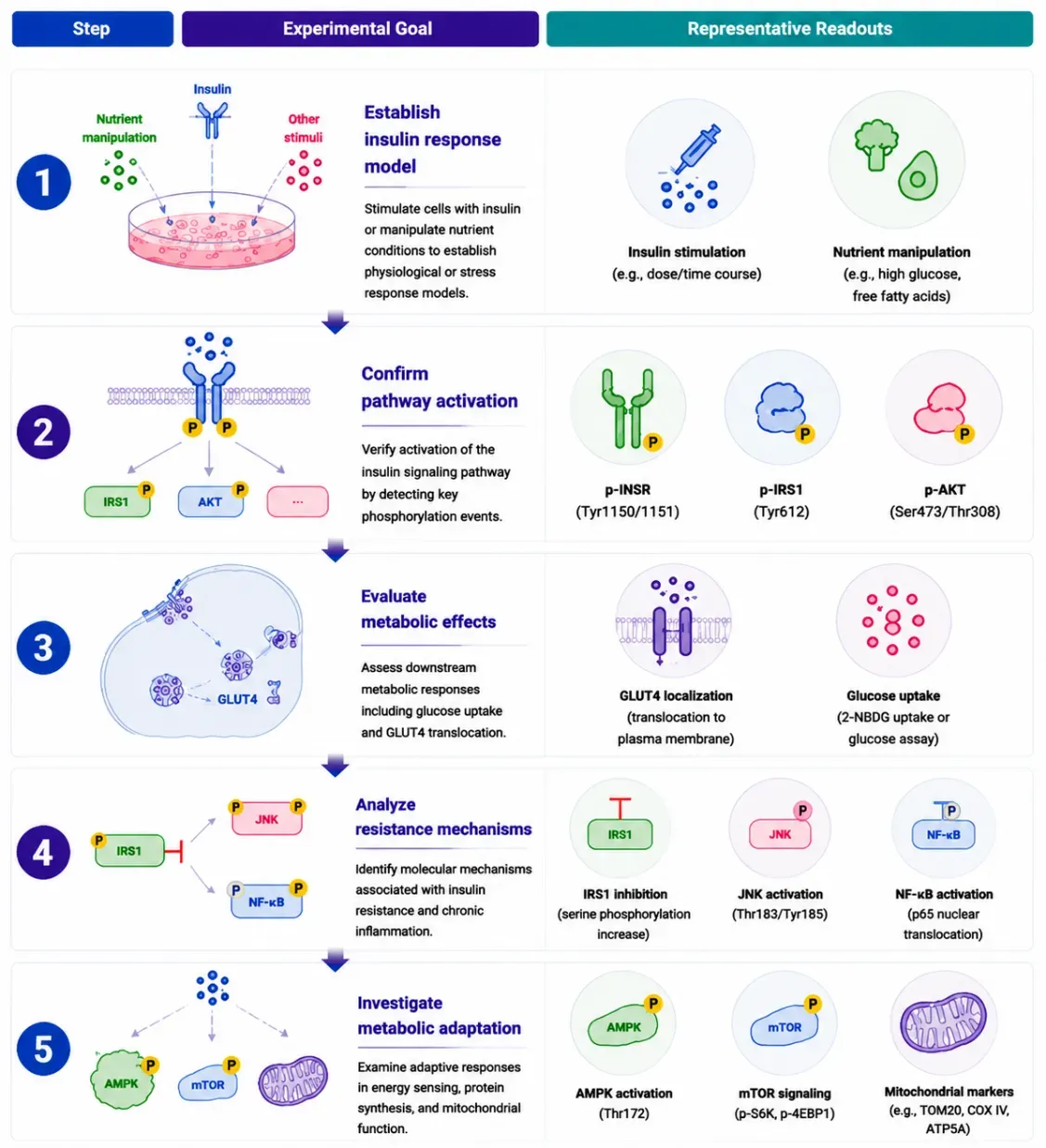
Recommended Experimental Validation Workflow
Step | Experimental Goal | Representative Readouts |
Step 1 | Establish insulin response model | Insulin stimulation, nutrient manipulation |
Step 2 | Confirm pathway activation | p-INSR, p-IRS1, p-AKT |
Step 3 | Evaluate metabolic effects | GLUT4 localization, glucose uptake |
Step 4 | Analyze resistance mechanisms | IRS1 inhibition, JNK/NF-κB activation |
Step 5 | Investigate metabolic adaptation | AMPK, mTOR, mitochondrial markers |
Featured Research Application Example
Research Area | Model System | Key Evaluation Parameters | Scientific Question |
Type 2 diabetes research | Hepatocytes, adipocytes, myocytes | IRS1, AKT, GLUT4 | How does insulin resistance develop? |
Obesity-associated metabolism | High-fat diet models | Inflammation, lipid metabolism markers | How does obesity disrupt insulin signaling? |
Exercise metabolism | Muscle models | AMPK, GLUT4, mitochondrial markers | How does exercise improve insulin sensitivity? |
Aging metabolism | Aging models | FOXO, mTOR, AMPK | How does aging alter insulin regulation? |
Cancer metabolism | Tumor models | PI3K/AKT/mTOR signaling | How does insulin signaling support tumor growth? |
Frequently Asked Questions
Q1.How can insulin signaling activity and metabolic function be accurately evaluated?
A comprehensive evaluation integrates Western blotting or immunofluorescence for phosphorylation analysis with glucose uptake assays, glycogen synthesis assays, and Seahorse extracellular flux analysis to quantify glucose utilization, mitochondrial respiration, and glycolytic activity. Functional assays should complement molecular signaling measurements.
Q2.What experimental approaches provide the most reliable analysis of insulin signaling?
Robust studies combine orthogonal technologies, including phospho-protein analysis, genetic perturbation (CRISPR/RNAi), transcriptomics, metabolomics, live-cell imaging, and disease-relevant models such as organoids or genetically engineered animals. Integrating multiple approaches improves mechanistic interpretation and biological relevance.
Q3.What are the most common pitfalls in insulin signaling research?
Common challenges include suboptimal insulin stimulation conditions, inadequate serum starvation, relying on a single phospho-marker, insufficient biological controls, and overlooking pathway crosstalk with AMPK, mTOR, or MAPK signaling. Accurate interpretation requires optimized stimulation protocols, validated phospho-specific antibodies, and analysis of multiple signaling nodes.
Q4.How can insulin signaling be comprehensively characterized in physiological and disease contexts?
Modern insulin signaling research integrates pathway validation, metabolic phenotyping, genetic analysis, disease modeling, and single-cell/spatial omics to define signaling dynamics, metabolic regulation, tissue-specific responses, and cellular heterogeneity, providing systems-level insights into diabetes, obesity, cancer, and other metabolic disorders.
Key References
Goul C, Peruzzo R, Zoncu R. (2023).The molecular basis of nutrient sensing and signalling by mTORC1 in metabolism regulation and disease. Nature Reviews Molecular Cell Biology. 24:857–875.
Choi E., Duan C., Bai X.-C. (2025). Regulation and function of insulin and insulin-like growth factor receptor signalling. Nature Reviews Molecular Cell Biology. 26:558–580.
Langer H.T., Rohm M., Sylow L. (2024). AMPK as a mediator of tissue preservation: time for a shift in dogma? Nature Reviews Endocrinology. 20.
Park J.B., Moon G.H., Cho A., et al. (2024). Neddylation of insulin receptor substrate acts as a bona fide regulator of insulin signaling and its implications for cancer cell migration. Cancer Gene Ther. 31:599–611.
Nature Reviews Endocrinology Editorial Collection. (2023–2025). Insulin signalling.