
Available Topics
Explore curated workflow pages with resources, guidance, and related reagent products.
 Application Solutions
Solutions for Urothelial (Bladder) Cancer Biomarker Research
Urothelial carcinoma (UC), the predominant form of bladder cancer, represents one of the most common malignancies of the urinary tract and is characterized by remarkable molecular heterogeneity, diverse histological phenotypes, frequent recurrence, and variable responses to therapy.
 Application Solutions
Tumor Biomarker Antibody Solutions for Precision Cancer Research
Cancer diagnosis and treatment have entered an era of molecularly guided precision oncology, where accurate biomarker detection is essential for tumor classification, prognostic evaluation, therapeutic decision-making, and mechanistic investigation.
 Application Solutions
Solutions for Tumor Microenvironment & Cancer Immunity Research
The tumor microenvironment (TME) has emerged as a central regulator of cancer progression, immune evasion, therapeutic resistance, and treatment response.
 Application Solutions
Solutions for Thyroid Cancer Biomarker Research
Thyroid cancer represents the most common endocrine malignancy, encompassing a broad spectrum of histological subtypes with distinct molecular characteristics, biological behaviors, and therapeutic responses.
 Application Solutions
Solutions for Renal Cell Carcinoma Biomarker Research
Renal cell carcinoma (RCC) represents the most common malignant tumor of the kidney and a highly heterogeneous group of cancers with distinct molecular alterations, histological subtypes, and therapeutic responses.
 Application Solutions
Solutions for Pancreatic Cancer Biomarker Research
Pancreatic cancer remains one of the most aggressive and lethal malignancies worldwide, characterized by rapid progression, extensive molecular heterogeneity, early metastatic dissemination, and limited therapeutic options.
 Application Solutions
Solutions for Liver Cancer Biomarker Research
Liver cancer is among the leading causes of cancer-related mortality worldwide, with hepatocellular carcinoma (HCC) accounting for approximately 90% of primary liver malignancies.
 Application Solutions
Solutions for Ovarian Cancer Biomarker Research
Ovarian cancer represents the most lethal gynecologic malignancy, characterized by substantial molecular heterogeneity, complex histological diversity, late-stage diagnosis, and highly variable therapeutic responses.
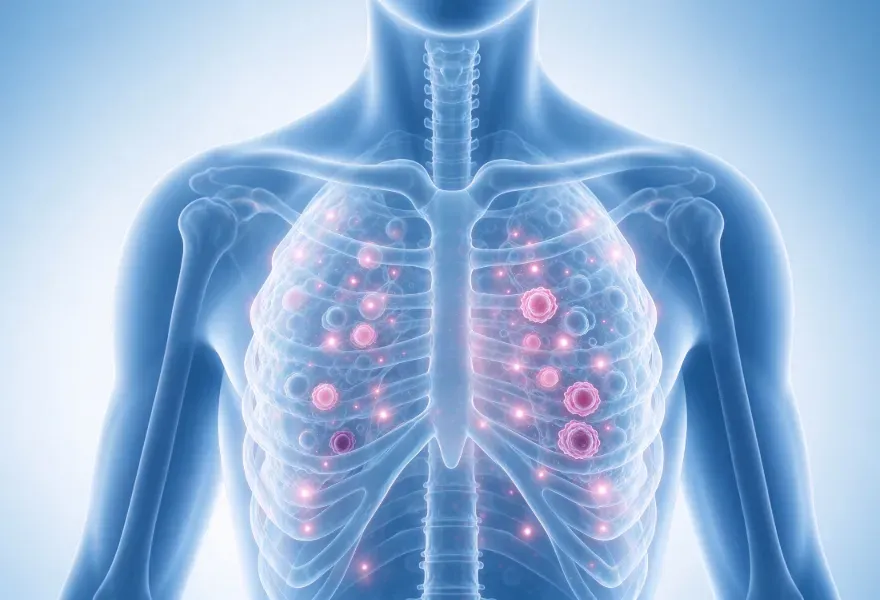 Application Solutions
Solutions for Lung Cancer Biomarker Research
Lung cancer remains the leading cause of cancer-related mortality worldwide, driven by extensive molecular heterogeneity, diverse histological subtypes, complex tumor evolution, and variable therapeutic responses.
 Online Message