
Available Topics
Explore curated workflow pages with resources, guidance, and related reagent products.
 Application Solutions
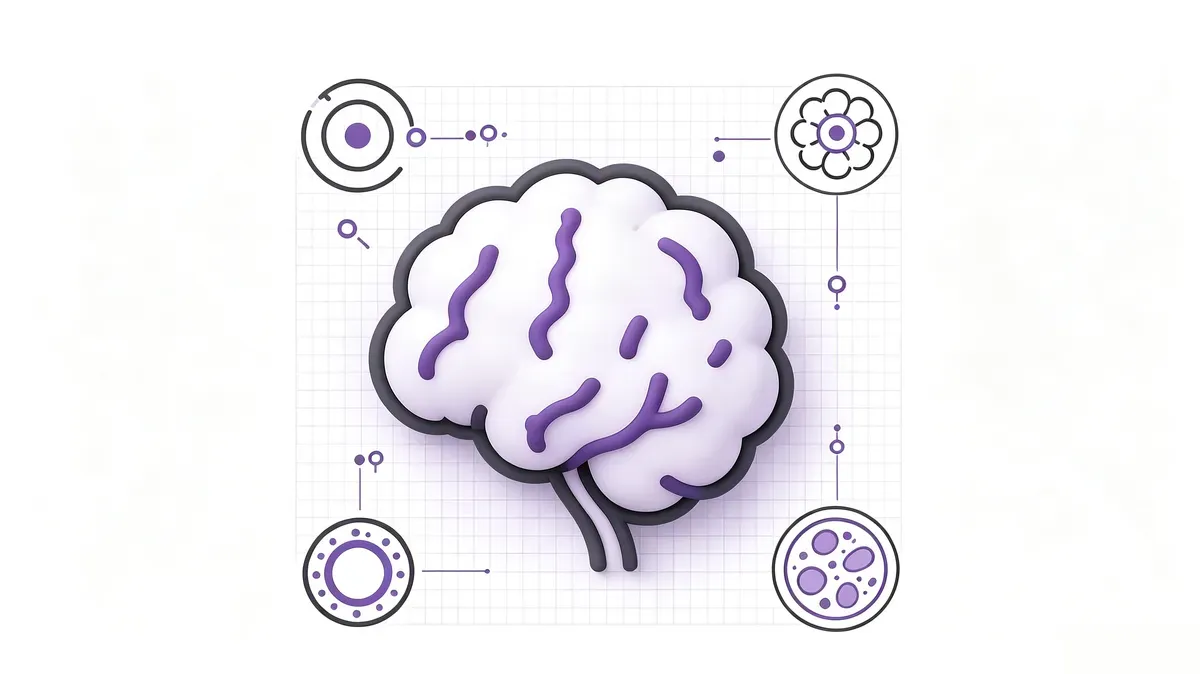
Mammary Organoid
The mammary epithelium forms a bilayered structure, which can be classified into two principal lineages: luminal cells and basal cells, according to their spatial distribution.
 Application Solutions
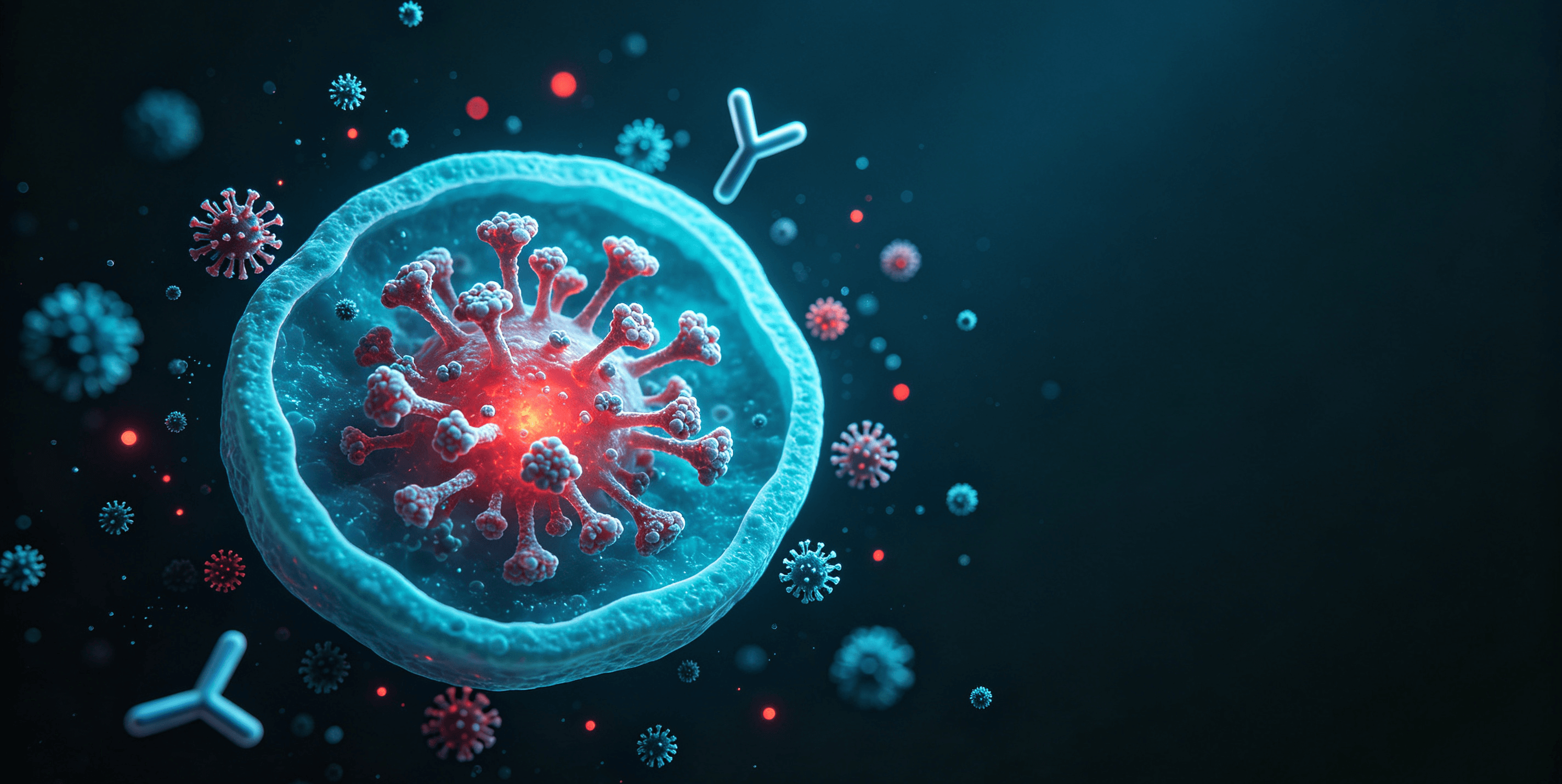
Severe acute Respiratory Syndrome Coronavirus (SARS-CoV) Research
The full name of the severe acute respiratory syndrome coronavirus is Severe Acute Respiratory Syndrome Coronavirus (SARS-CoV).
 Application Solutions
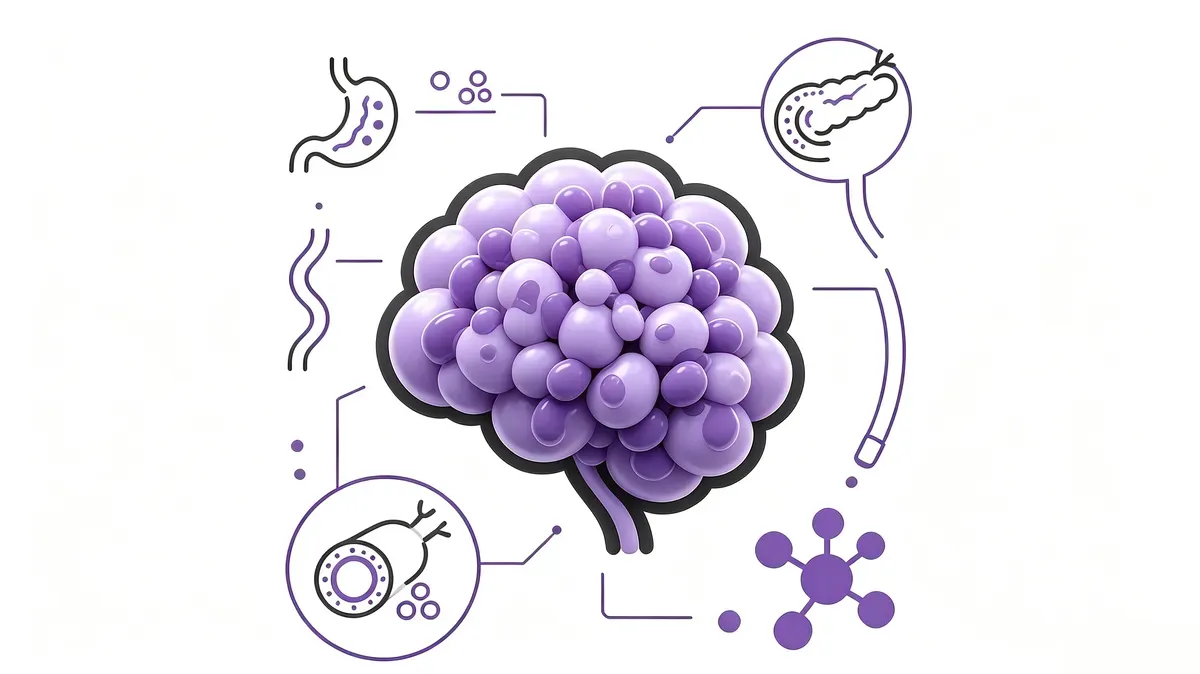
Pancreatic organoids
Blood glucose homeostasis in the human body is dynamically regulated by insulin secreted from the pancreatic islets of Langerhans, which can sensitively detect fluctuations in circulating glucose concentrations. Permanent damage to this homeostatic regulatory mechanism triggers diabetes mellitus, which has gradually become a major threat to global public health.
 Application Solutions
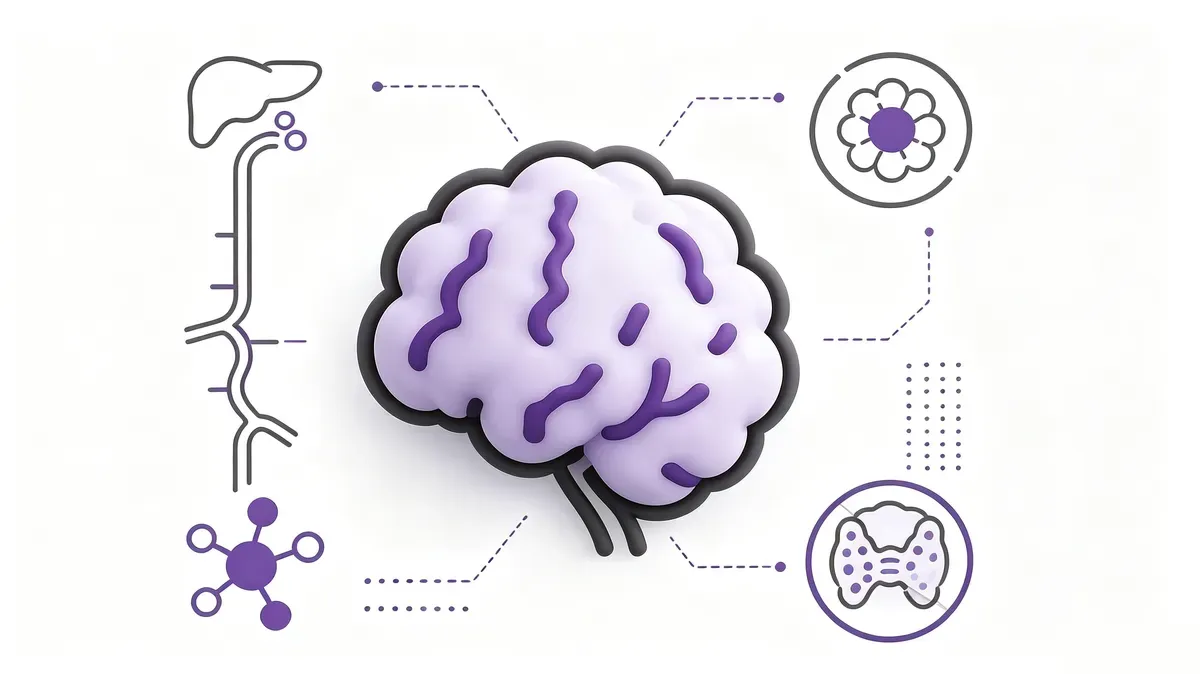
Liver Organoid
The liver is a structurally intricate and functionally indispensable human organ.
 Application Solutions
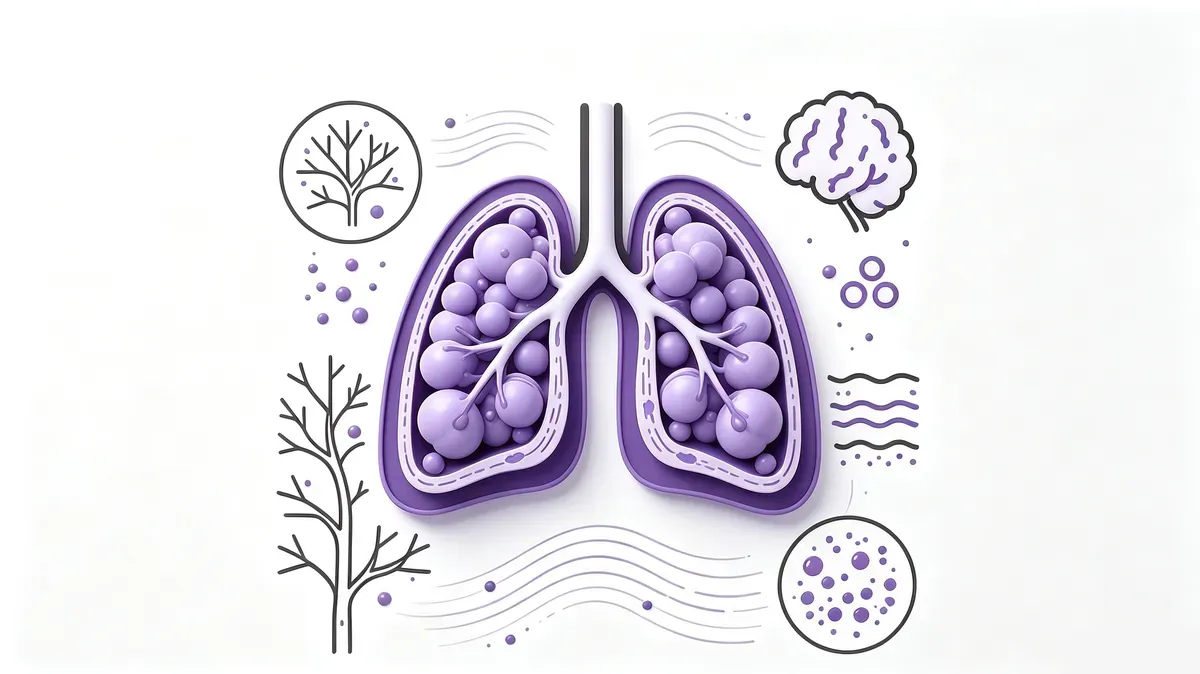
Lung organoids
The human lung represents a functionally essential and structurally sophisticated organ composed of over 40 distinct cell types, predominantly including epithelial cells, immune cells, endothelial cells, and stromal cells.
 Application Solutions
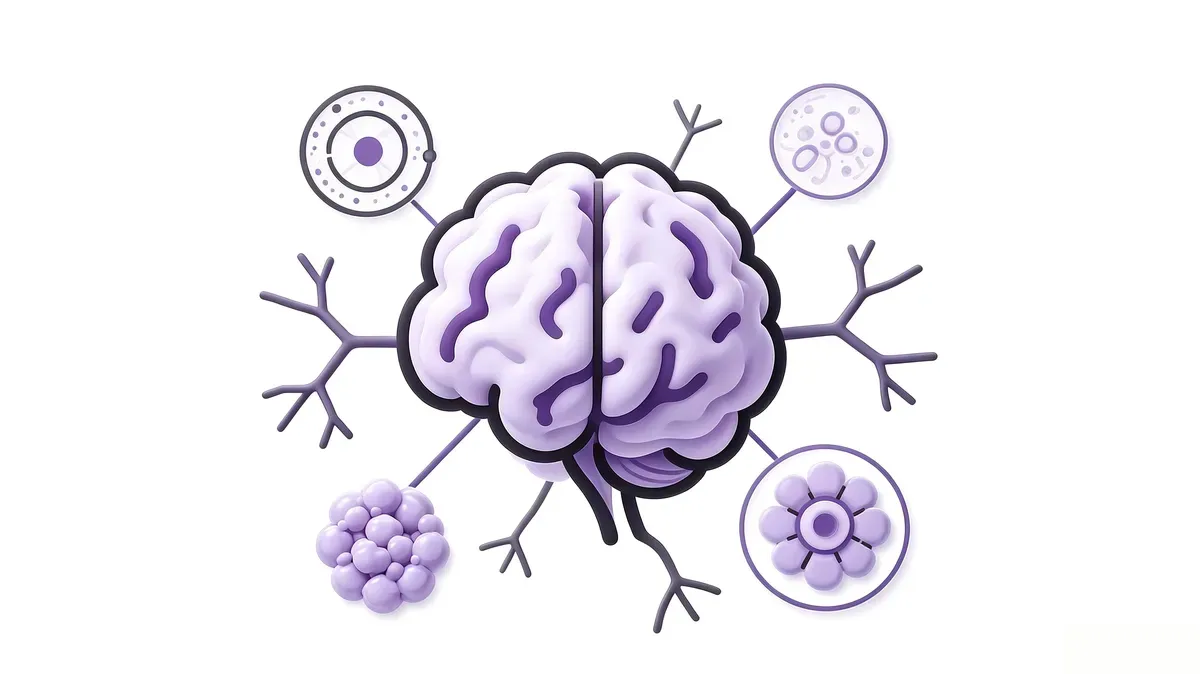
Brain Organoids
Brain organoids recapitulate multiple key features of embryonic cortical development and can differentiate into diverse cell types corresponding to distinct brain regional lineages.
 Application Solutions
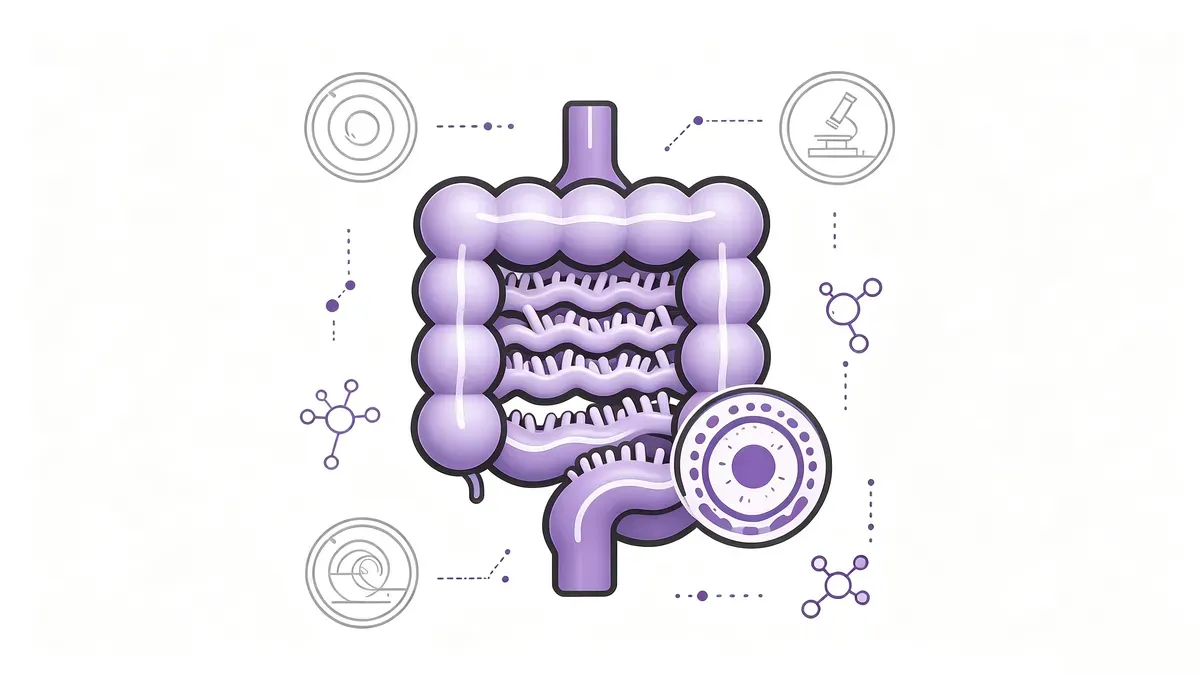
Intestinal organoids
The intestine is an essential digestive organ and is recognized as one of the most structurally complex organs in the human body.
 Application Solutions
Tools for Immune Cell Research
Tools for Immune Cell Research
 Application Solutions
Advanced Models — Advanced Research Models and Technologies
With the continuous development of immunology research from single cells and two-dimensional culture systems toward complex tissue microenvironments, traditional immune cell culture models can no longer fully simulate the complex interactions between cells in vivo.
 Online Message